Collaborative research for new practices in documentary art.
UnionDocs is honored to share the selection of artists and writers for the UNDO Fellowship.
A chance to explore their research topics a bit below.
Proposed Research Focus
Beatriz Santiago Muñoz with Almudena Escobar López
How might filmmaking become a way of inventing rather than representing aesthetic experiences? Filmmaker Beatriz Santiago Muñoz and writer/scholar Almudena Escobar López’s research begins with a simple proposition: that cinema’s political potential may lie less in what it shows than in the forms of relation, collaboration, shared perception, and social relations it makes possible. Their inquiry is grounded in forms of improvisation, sustained attention, and deep listening structural to Santiago Muñoz’s practice, wherein the filmmaker, participants, landscapes, histories, languages, and material environments all contribute to shaping what the film becomes. Here, the camera is not an external observer but rather, too, an active participant. In shifting the focus from the finished image to the ongoing practice of being-with through the camera, the practices at the center of this exchange challenge traditional documentaries’ claims to authority, transparency, and representation. Drawing on psychoanalysis, forms of ritual, musical improvisation, and more, they will ask how filmmaking can develop new compositional tools for reorganizing shared experience and for collective life.
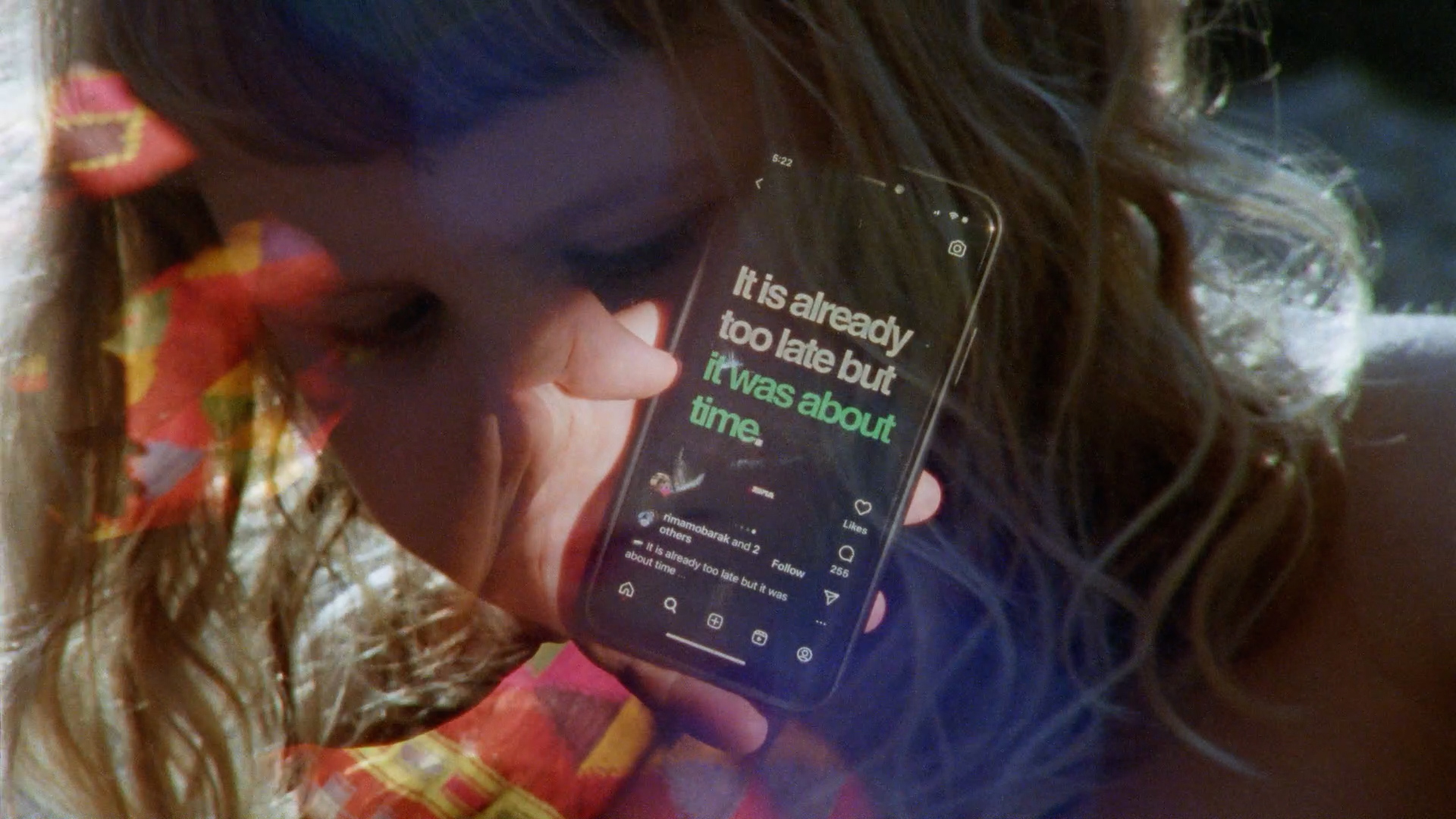
Ben Russell with Jacqueline Feldman
How can nonfiction take on the revolutionary project of making time, despite the lateness of this era, liveable? Filmmaker Ben Russell and writer Jacqueline Feldman train their attention on documentary film’s capacity, amidst the atomization of selfhood that has attended the precipitous growth of Western economies, to restore to lived time its social, durational, material dimensions. From manufactured urgencies that optimize for lonely affects, driving consumption, to the streaming of audiovisual content to cloud-based platforms, algorithmically reshaping experience that might have been communal, we now confront a shattering of possibilities for solidarity and encounter. How, they ask, can documentary engage in acts of generative resistance against the current fragmentation? Expanding on the realism of revolutionary time seen in Russell’s oeuvre—where time is elastic; where life’s rhythms are, for the audience, a call to presence—their research takes as its object the strength of narrative as well as anti-narrative in relation with the time-bound subject—developing an understanding of documentary filmmaking itself as one more radical form life takes for the collective. How might cinema be uniquely positioned, in 2026, to demonstrate how time belongs to all of us—and that the people have time on their side?
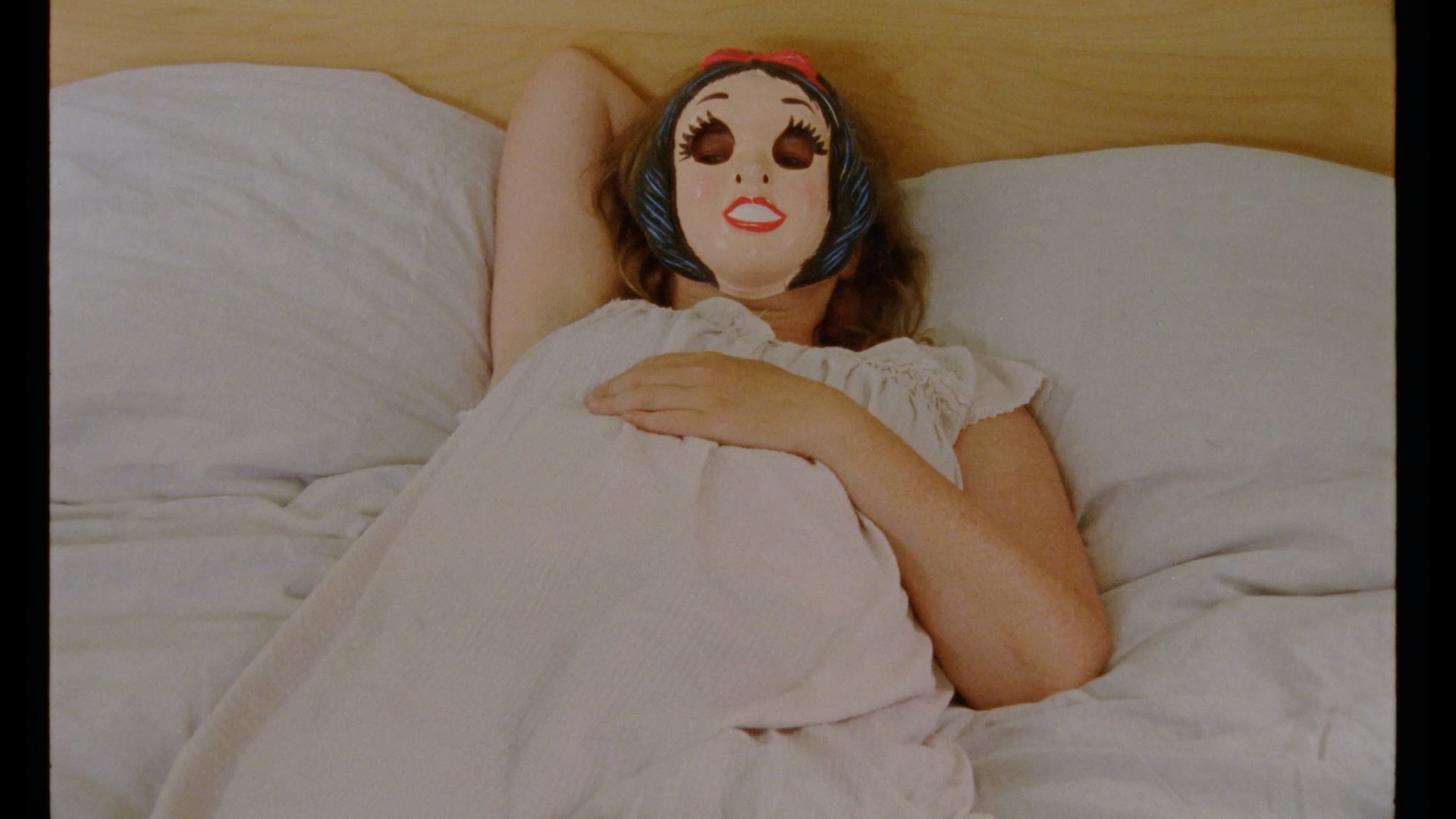
Lee Anne Schmitt with Tung-Hui Hu
How might the personal serve as a generative register for experimental, political film today? Filmmaker Lee Anne Schmitt and poet and digital media scholar Tung-Hui Hu turn to domestic life and its intimate landscapes as indexes of the collapse of larger systems in the present. Drawing on Schmitt’s longstanding focus on personal, family history and everyday life, and the economic, environmental, social pressures that attend them, their research seeks out, in the rhythms of routine, proxies for and grounds of contestation of current intersecting political crises. Their approach is two-fold, excavating, on the one hand, the unexplored energies and potentials of second-wave feminism’s jettisoned claim that “the personal is political,” and tracing, on the other, recent debates over the role of representation and identity in filmmaking and criticism. As they telescope infrastructural critique and analysis from the domestic to the technological, financial, and ideological on a global level, Schmitt and Hu ask what sensations and experiences of political collectivity the personal film might still make possible.
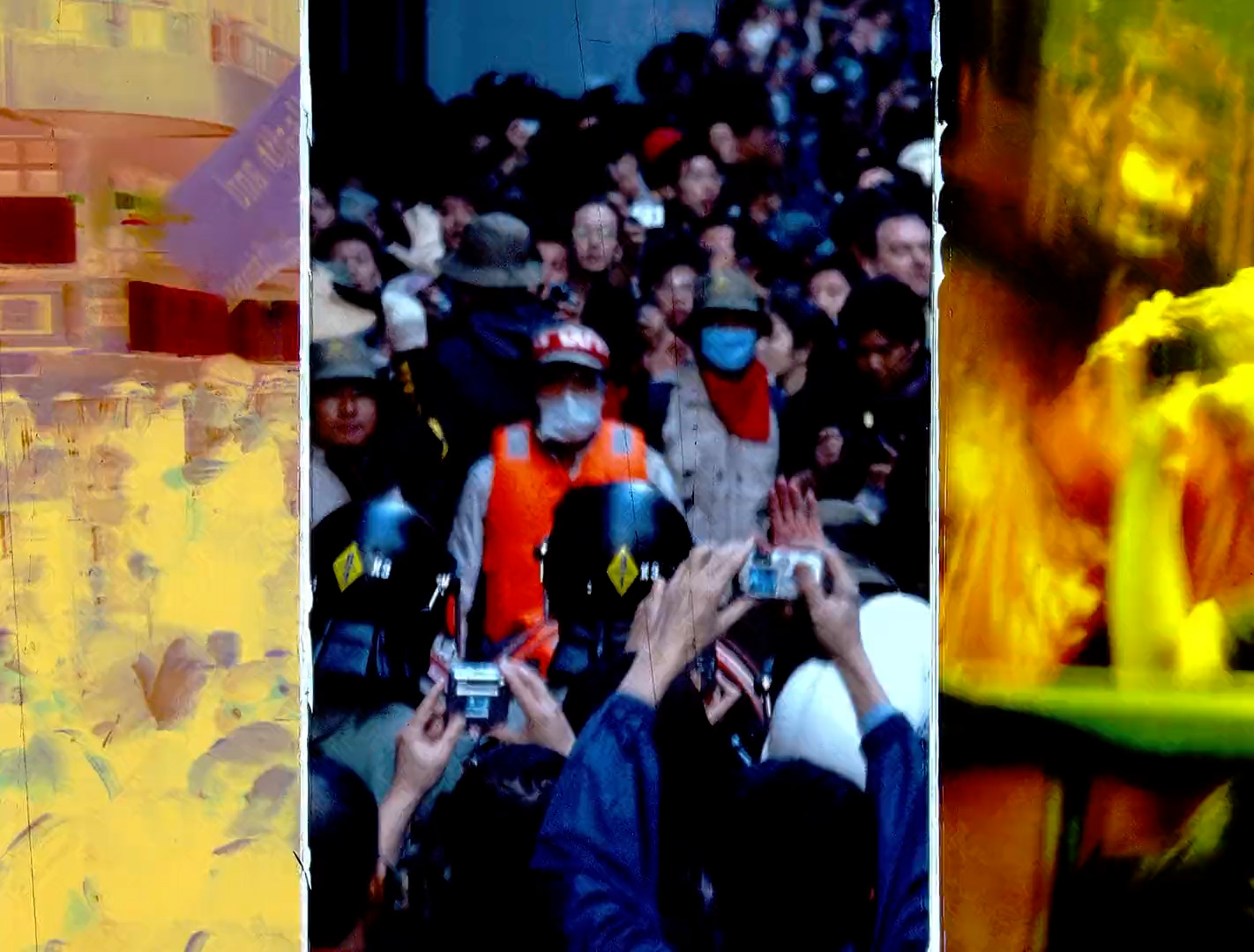
Simon Liu with Phil Coldiron
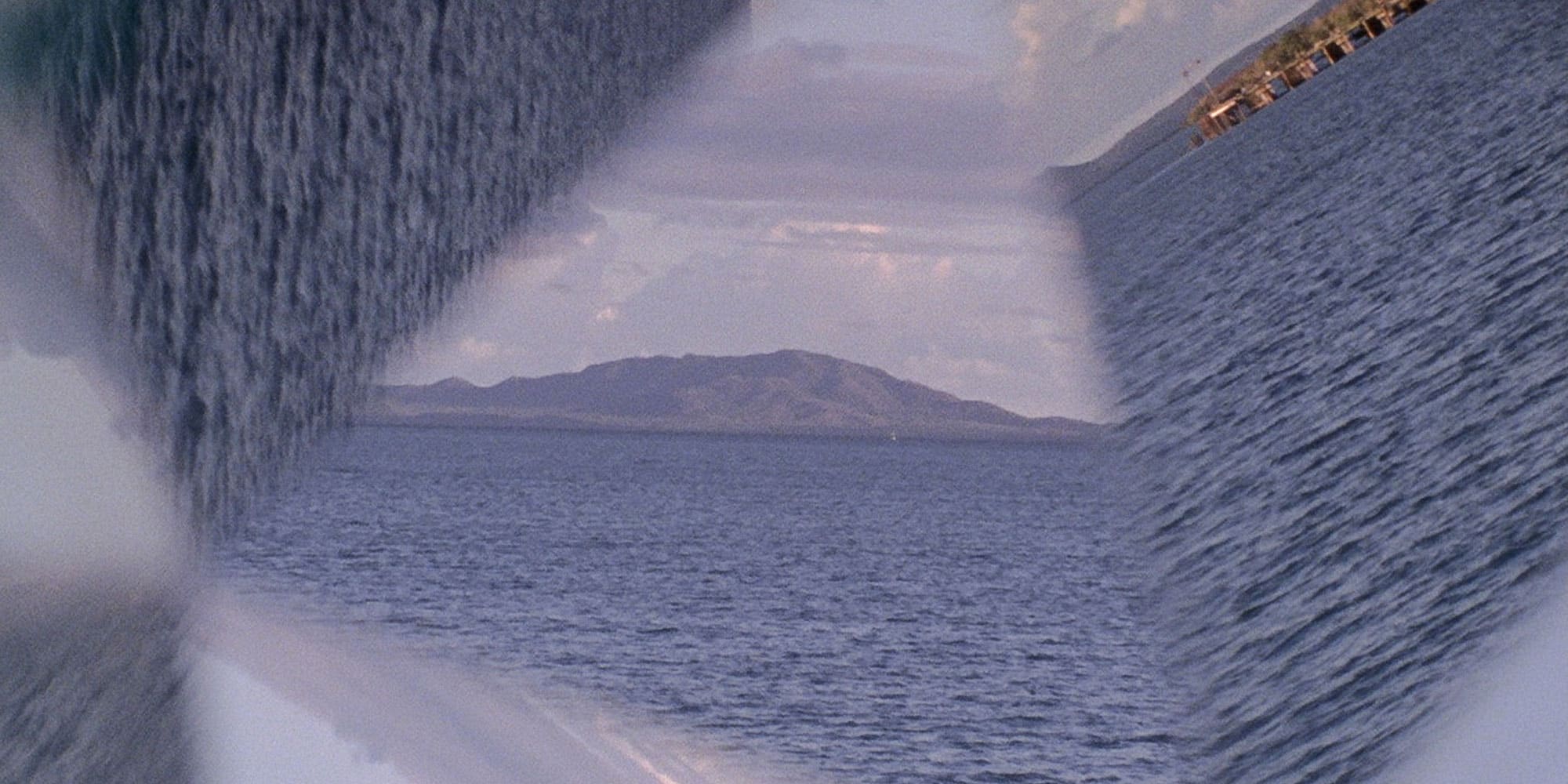
What if the mirror documentary cinema holds up to reality were more like a funhouse? Artist Simon Liu and writer Phil Coldiron approach the documentary image as a site of opacity and distortion, one capable of producing truths irreducible to language. Working through Liu’s evolving practice of immersive installation, where mirrors, handmade technologies, and intricate montage refract documentary images into atmospheric environments that resist legibility, their research asks how disorientation might become a means of deeply felt engagement rather than passive spectatorship. As concrete images of Hong Kong’s vanishing cultural identity explode into shards of sensation, multiple scales of memory and experience converge through what they call “quantum montage,” a construction of meaning beyond normative viewing. Against the audiovisual overwhelm of algorithmic life, and amid increasing authoritarian control, censorship, and surveillance, they will investigate how abstraction, recursion, and the interplay of intention and chance can produce new forms of aesthetic and political clarity. Drawing on histories of montage-driven filmmaking and Hong Kong’s postcolonial cultural imaginary, their exchange considers techniques for wedding multiple scales of historical experience to ask how documentary might develop forms capable of resisting erasure while compelling audiences toward new ways of perceiving and engaging with reality.
Meet the UNDO Fellows
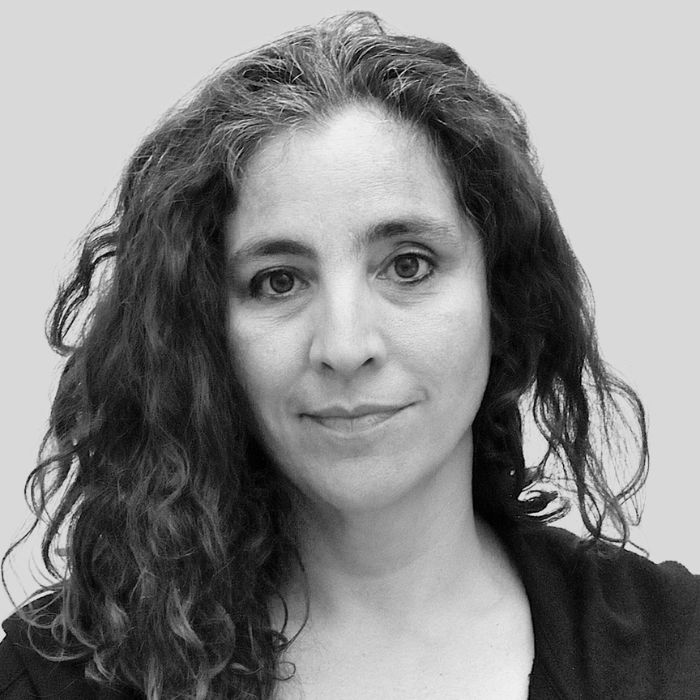
Beatriz Santiago Muñoz is an artist and filmmaker in San Juan, Puerto Rico. Her work is indebted to the histories of art and film as process and practice of experimentation and improvisation, whether alone or with others. Current and recent artistic interests: film-painting encounters, a human-ish horse considers their freedom, philosophical investigations of the animal kingdom, feminist experiments with grammar, simultaneous narration, and the anti-colonial unconscious. She co-founded Beta-Local, an artist-run space in San Juan and she is a member of Sociedad del Tiempo Libre an artist cooperative. Recent solo exhibitions include: Elogio al Disparate at Vienna Secession,Ottilia at Crac-Alsace, Oriana in PIVO, Sao Paulo and Argos in Brussels. Her work is part of public and private collections such as , Frac-MECA, Museum of Modern Art, Kadist and Guggenheim, among others. She was awarded a Guggenheim Fellowship in 2026, a Herb Alpert Award in the Arts and the 2021 Artes Mundi Prize (which was shared among all 7 nominees), and a CARA Fellowship.
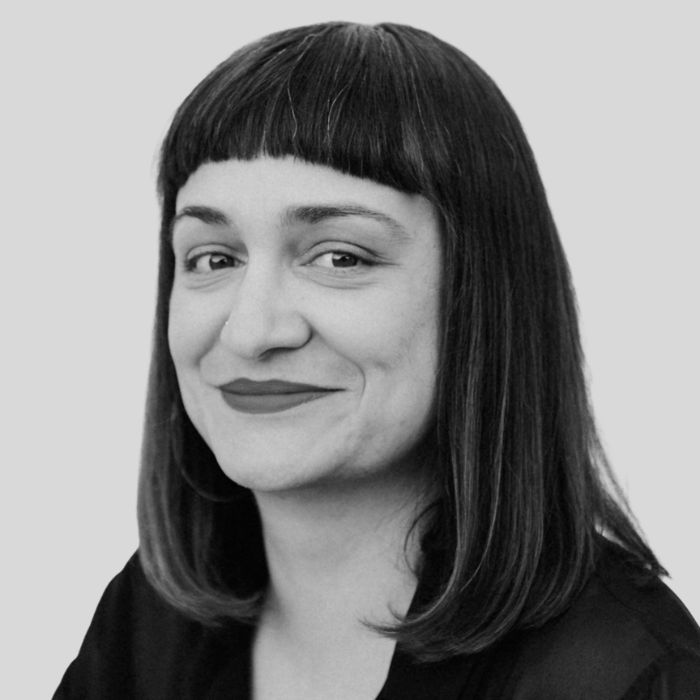
Almudena Escobar López is a scholar, curator, and archivist based in Tkaronto. She is Assistant Professor on Film History, Film Preservation and Collection Management at the School of Image Arts at Toronto Metropolitan University. She earned her Ph.D. in Visual and Cultural Studies from the University of Rochester and holds an MA in Film and Media Preservation from the L. Jeffrey Selznick School of Film Preservation. Her interdisciplinary research focuses on documentary and artists’ moving-image practices, alongside broader questions of visual historiography, cultural memory, and alternative information ecologies. She is currently developing Ecologies of Rural Cinema: Community, Place, and Moving Image Exhibition, a research project supported by the Social Sciences and Humanities Research Council of Canada through an Isight Development grant. The project examines experimental and community-based rural film initiatives in Europe and Canada, in collaboration with professor Erica Levin (OSU), Casa de Lava (Catalunya) and Cinema Fulgor (Baixo Alentejo). As a guest curator, Almudena has curated and co-curated numerous film and video series presented at institutions including Centre de Cultura Contemporània de Barcelona, TIFF, Batalha Centro de Cinema, Arsenal, Lincoln Center, Museum of Modern Art, Anthology Film Archives, the Muestra Internacional Documental de Bogotá, and the Cineteca Nacional de México, among others. In 2022, she co-curated the Flaherty Seminar “Continents of Drifting Clouds” alongside Sky Hopinka. She is a member of the programming committee of Diffusion in Tkaronto, together with Faraz Anoushahpour, Scott Miller Berry and Ryan Ferko. She also serves on the boards of directors of both the Media City Film Festival and the Canadian Filmmakers Distribution Center.
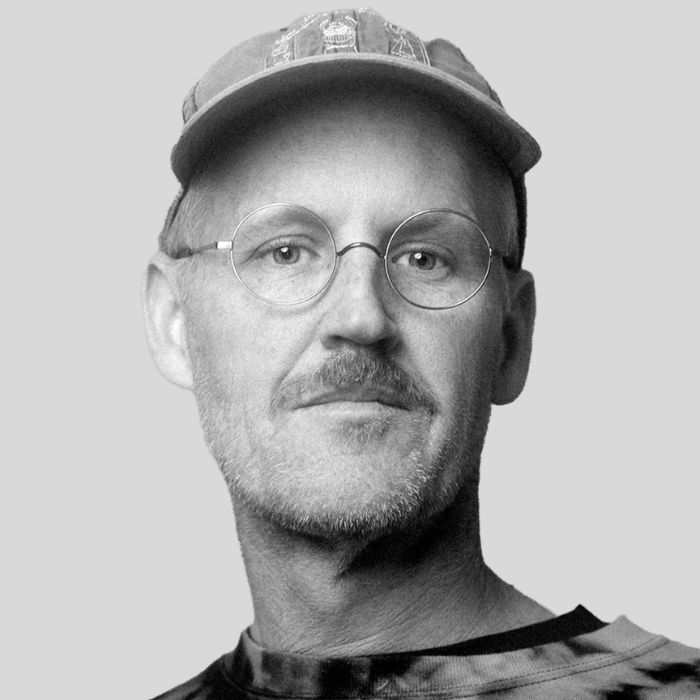
Ben Russell (1976) is an American artist, filmmaker, musician and curator whose work lies at the intersection of experimental cinema, visual anthropology and the documentary image. Russell was an exhibiting artist at documenta 14 (2017) and his work has been presented at the Centre Georges Pompidou, the Museum of Modern Art, the Tate Modern, the Museum of Modern Art Chicago, the Venice Film Festival and the Berlinale, among others. He is a recipient of a Guggenheim Fellowship (2008), a FIPRESCI International Critics Prize (IFFR 2010, Gijón 2017), premiered his second and third feature films at the Locarno Film Festival (2013, 2017) and won the Encounters Grand Prize at the Berlinale Film Festival (2024). Curatorial projects include Magic Lantern (Providence, USA, 2005-2007), BEN RUSSELL (Chicago, USA, 2009-2011), Hallucinations (Athens, Greece, 2017) and Double Vision (Marseille, France 2024-). He is based in Marseille, France.
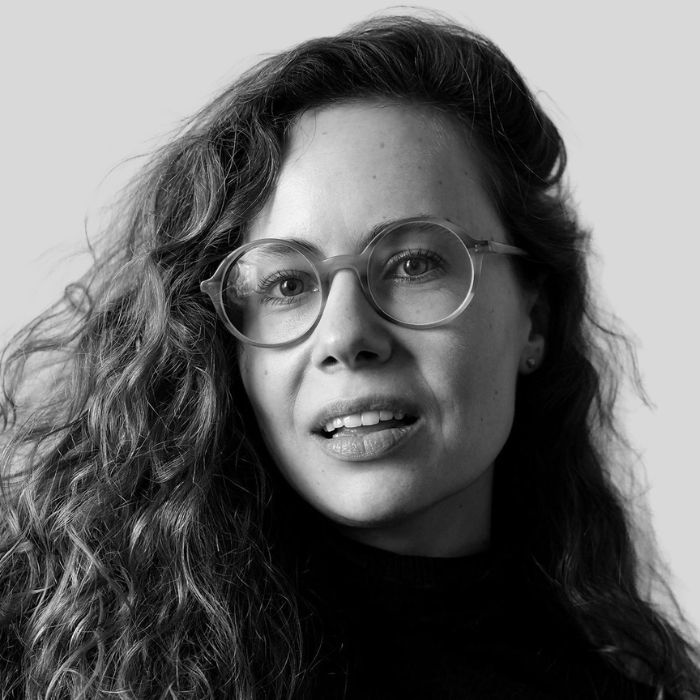
Jacqueline Feldman is a writer and researcher whose work in narrative and theory often has concerned the pressures placed on form by real-world situations. On Your Feet and Precarious Lease, her duo of books about the investigations of an American girl abroad, deal with, respectively, practical issues in translating far-right discourse and the gains of occupation culture; short-form reports have further explored activist practice in France, a lawsuit alleging indoctrination in Feldman’s Connecticut hometown, and contemporary quandaries within generative technology. A Fulbright and an Albertine Translation laureate, a graduate of the EHESS-Paris, she until recently taught first-year writing at the University of Massachusetts Amherst.
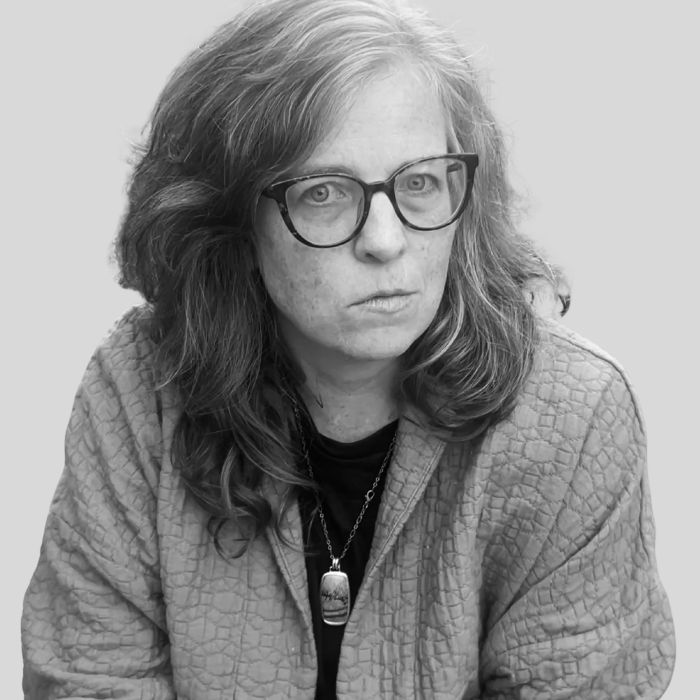
Lee Anne Schmitt is an essay filmmaker; her projects have addressed American exceptionalism, the logic of utility and labor, gestures of kindness and refusal, and the history of racial violence in the United States. Her films have screened at Museum of Modern Art in NY, Viennale, Rotterdam International Film Festival, CInema du Reel, FICUNAM, FIDMarseilles, DocLisboa and many more. She is a recipient of a Guggenheim, Creative Capital, Graham Foundation Grant and multiple MacDowell Residencies.
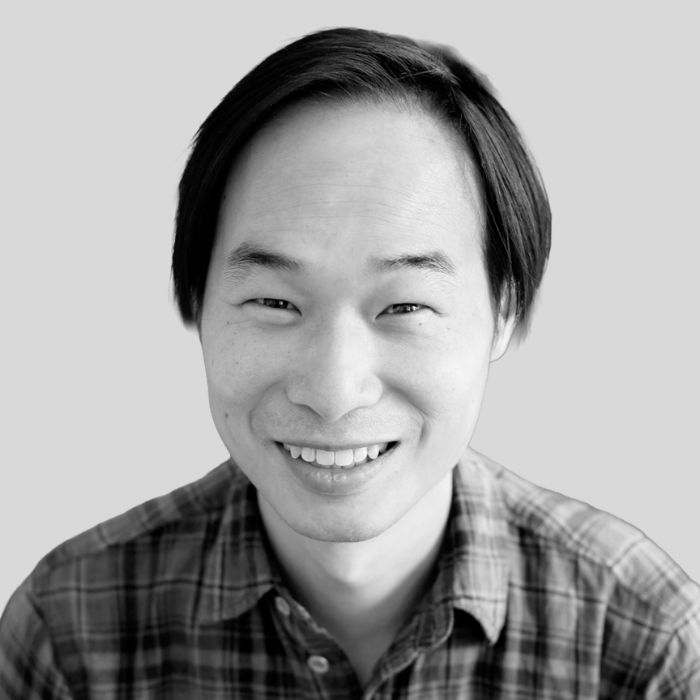
A poet and a media scholar, Tung-Hui Hu is the author of five books, most recently Digital Lethargy: Dispatches from an Age of Disconnection, A Prehistory of the Cloud, and Greenhouses: Lighthouses. A former Rome Prize and NEA fellow in literature, his research has been featured in CBS News, BBC Radio 4, WIRED, and e-flux. Hu is associate professor of Comparative Media Studies/Writing at MIT.
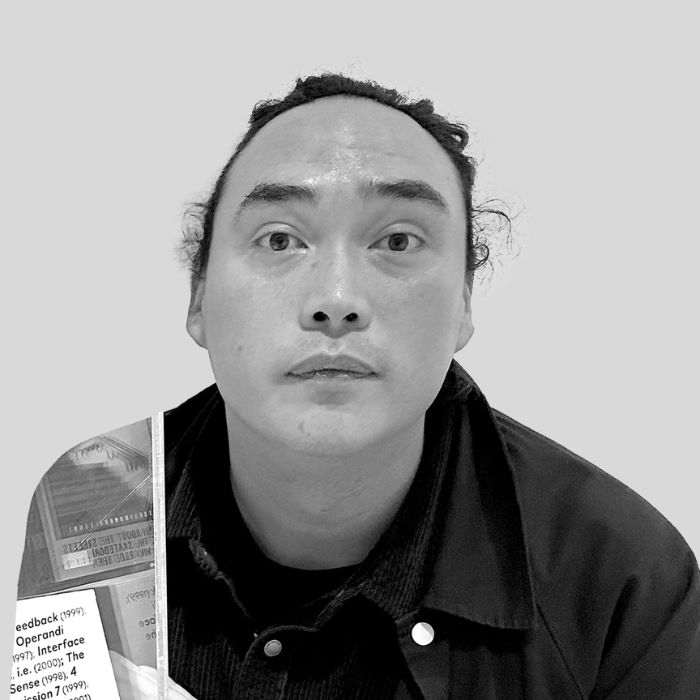
Simon Liu (b. 1987, Hong Kong) is an artist filmmaker whose practice catalogues the rapidly evolving psychogeography of his homeland of Hong Kong through material abstraction, speculative history, and subversion of documentary cinema practices via short films, multi-channel video installations, mixed media prints, 16mm expanded cinema projections, and audiovisual performances. His installations and performances have been exhibited at institutions including the Whitney Biennial 2024, MoMA, MOCA LA, The Shed, M+ Museum, Tai Kwun Contemporary, Museum of the Moving Image, Everson Museum, PICA, Carpenter Center, and Moderna Museet. His films have screened at festivals globally including the Toronto, New York, Berlin, Rotterdam, BFI London, Vienna, Edinburgh, Jeonju, Melbourne, San Francisco, and Hong Kong International Film Festivals alongside the Sundance Film Festival, New Directors/New Films, Cinéma du Réel, TIDF, CPH:DOX, and the Media City Film Festival. His work is in the Permanent Collections of the Museum of Modern Art, M+ Museum, and Centro Pecci. Profiles of his practice have featured in Hyperallergic, Art in America, Art Asia Pacific, Cinemascope, BOMB Magazine, South China Morning Post, and the New York Times. He is an educator at the Cooper Union School of Art and Pratt Institute and is currently in Post-Production on his first feature film Staffordshire Hoard.
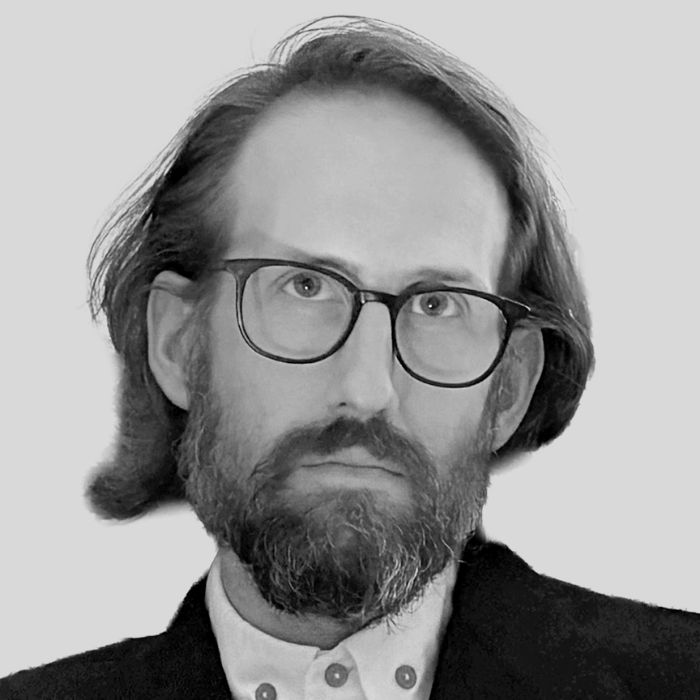
Phil Coldiron is a writer living in New York. From 2011-2024, he was a regular contributor to Cinema Scope. More recently, his writing on film and various other visual arts has appeared in publications including the New York Review of Books, New York Review of Architecture, and e-flux. He holds a Masters degree in Cinema and Media Studies from the University of California Los Angeles.
Generous support & partnership provided by