An Extraordinary Cohort
UnionDocs assembled four pairings of top documentary artists and filmmakers with four adventurous and leading writers and critics for The UNDO Fellowship with the goal of expanding radical filmmaking practices and researching new languages of documentary cinema. Now in its third iteration, this opportunity offers a platform for writers to immerse themselves in a filmmaker’s work, offering resources for the further development of an artists’ projects, aesthetics, and methodologies. The current cohort includes artists Parastoo Anoushahpour, Faraz Anoushahpour, and Ryan Ferko with Aruna D’Souza, Travis Wilkerson with Victor Guimarães, Courtney Stephens with Julia Gunnison and Bo Wang with Rachael Rakes.
Meet us Upstate!
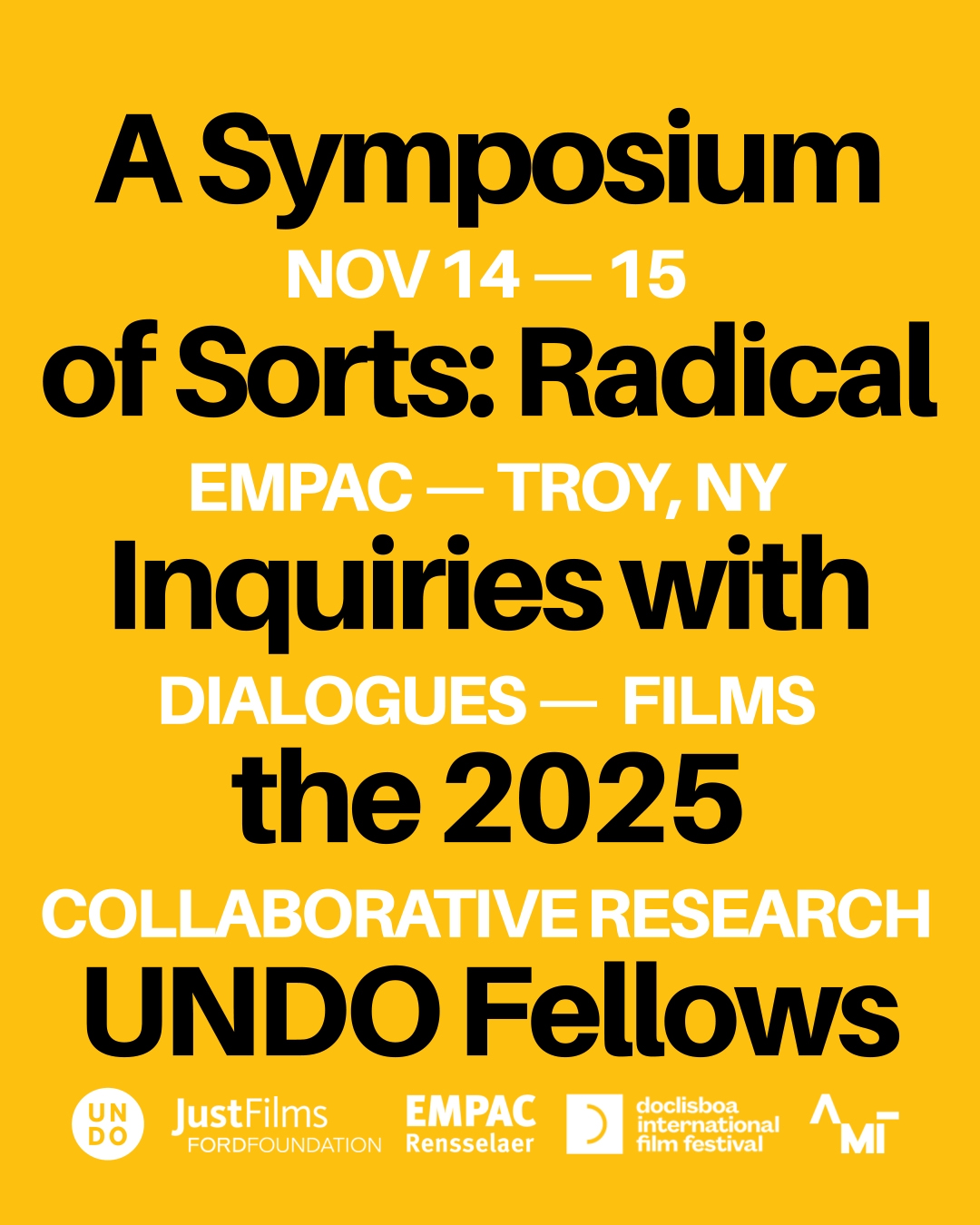
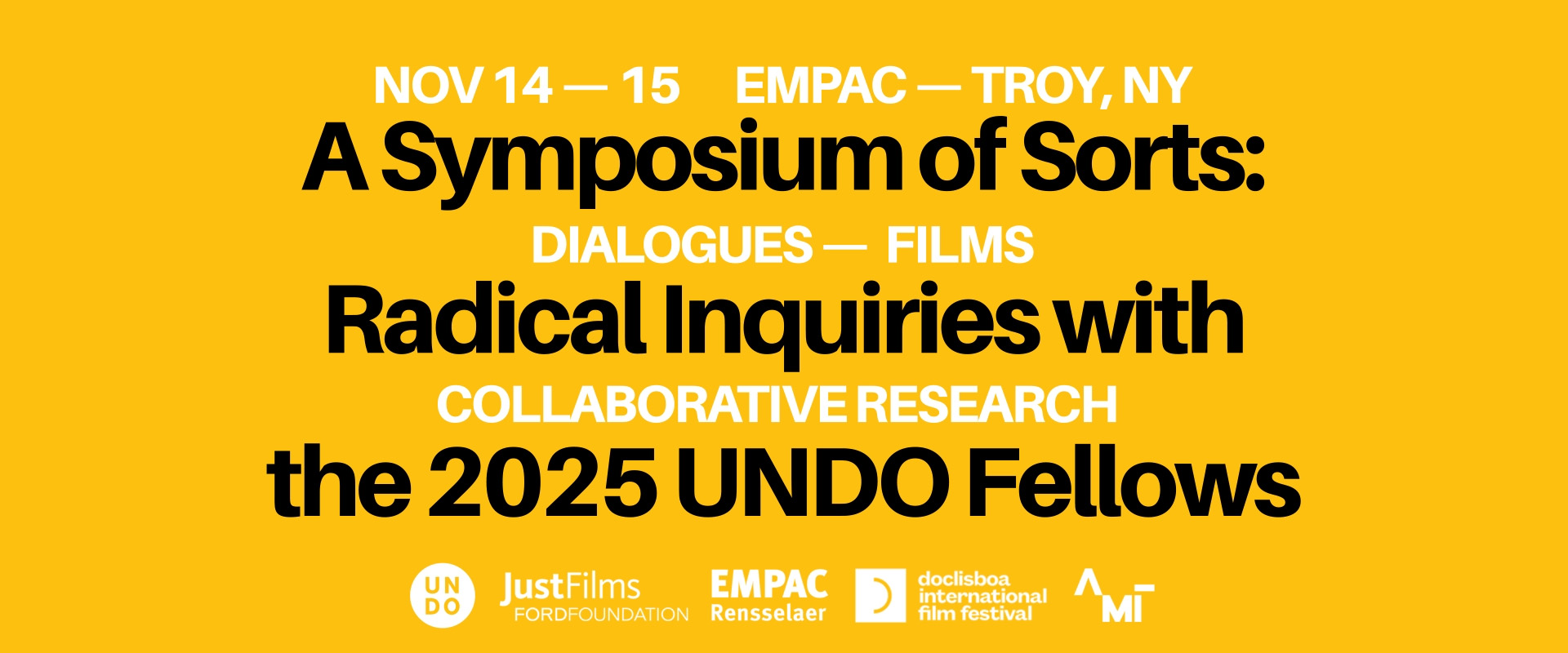
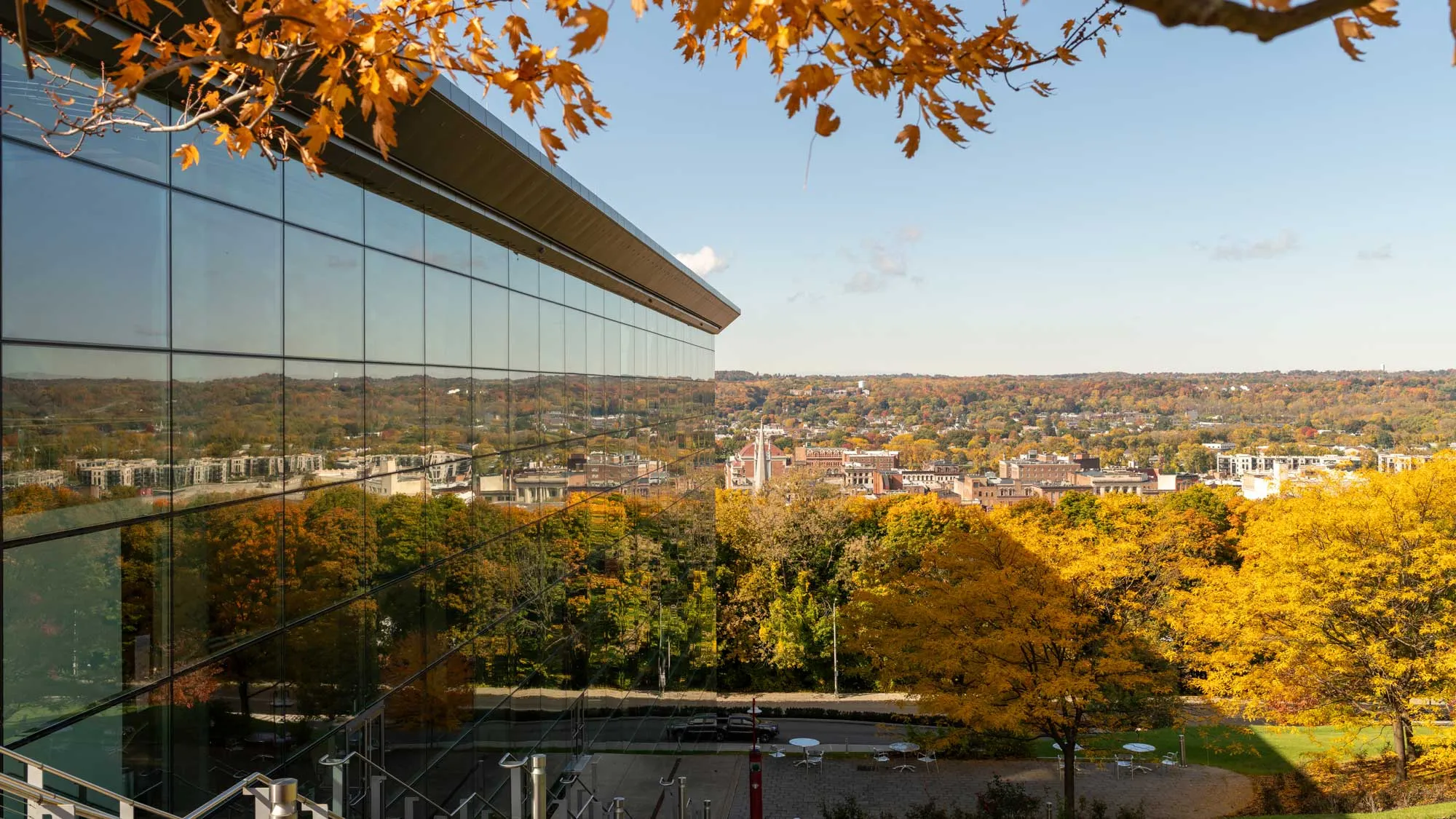
You’re invited to a two-day convening upstate this Fall to celebrate the research, writing and filmmaking that has transpired over the last year. Set within the astounding architecture and in partnership with the Experimental Media and Performing Arts Center (EMPAC) in Troy, NY, this gathering brings together a mix of artists, writers and curious minds to think together about the evolving shape of documentary art.
A Shared Inquiry
Each pair’s research has expanded out from the practice of the documentary artist, to propose a question rooted in the artists’ practice that seeks to understand how it operates in the world and can impact social movements. Connected through a match-making process, the group of intellectually adventurous writers each have edited a collection of writing that approaches the topic through a plurality of voices and methods of analysis.
Join the Conversation
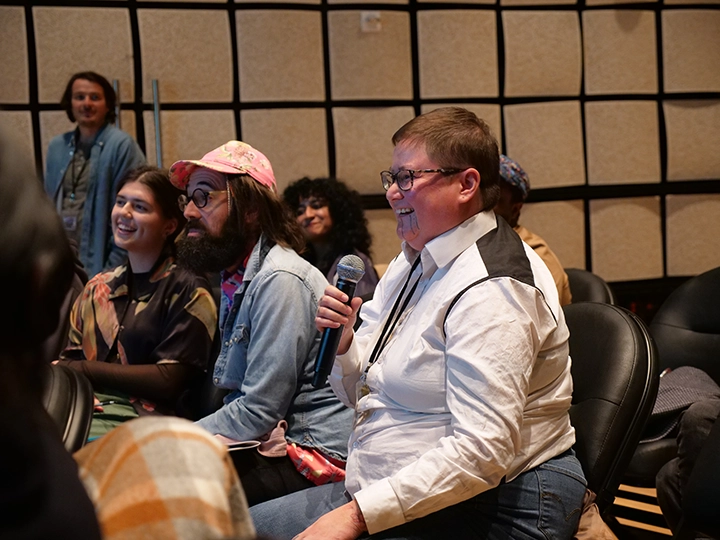
We invite you to be the first audience to this work as it unfolds in-progress. We offer this opportunity to be the first readers of the writing, and a chance to engage the artist’s films too! Expect a weekend of questions over answers, close readings of form and politics, and informal moments to connect, spend time and think together. We are excited to share the ideas resulting from this yearlong endeavor and eager to invite you in to hear your questions, thoughts and feedback on the work!
Symposium Passes
WEEKEND PASS — $45
You will receive an all-inclusive access pass to attend all of the weekend’s programs including: public events, screenings and conversations.
DAY PASS — $30
Can’t come for the full weekend but want to have access to a full day of programming? Our day pass will give you access to all of the programming on the day you pick.
STUDENTS — FREE
Currently enrolled students can receive a free all-access pass to attend all events, screenings and conversations.
UNIONDOCS ANNUAL MEMBERS — FREE
Members receive free access to the Symposium of Sorts, all UNDO public events, and online streaming access to select films, workshops and conversations!
SYMPOSIUM SCHEDULE
Friday Nov 14
2:00P — EMPAC ENTRANCE
Greeting & Check In
2:30P — Studio 2 : EMPAC
Welcome & Orientation
3:15P — Theater : EMPAC
Screening — Travis Wilkerson
7:00P — Studio 2 : EMPAC
Conversation — Victor Guimarães & Travis Wilkerson
NIGHT — LOCATION TBD
After Party!
Saturday Nov 15
1:00P — Theater : EMPAC
Screening—Parastoo Anoushahpour, Faraz Anoushahpour, and Ryan Ferko
2:45P — Studio 2 : EMPAC
Conversation — Aruna D’Souza with Parastoo Anoushahpour, Faraz Anoushahpour, and Ryan Ferko
4:30P — Studio 2 : EMPAC
Work in Progress Screening & Conversation — Courtney Stephens & Julia Gunnison
NIGHT — Uncle Sam Lanes, 600 Fulton Street
Bowling & Drinks
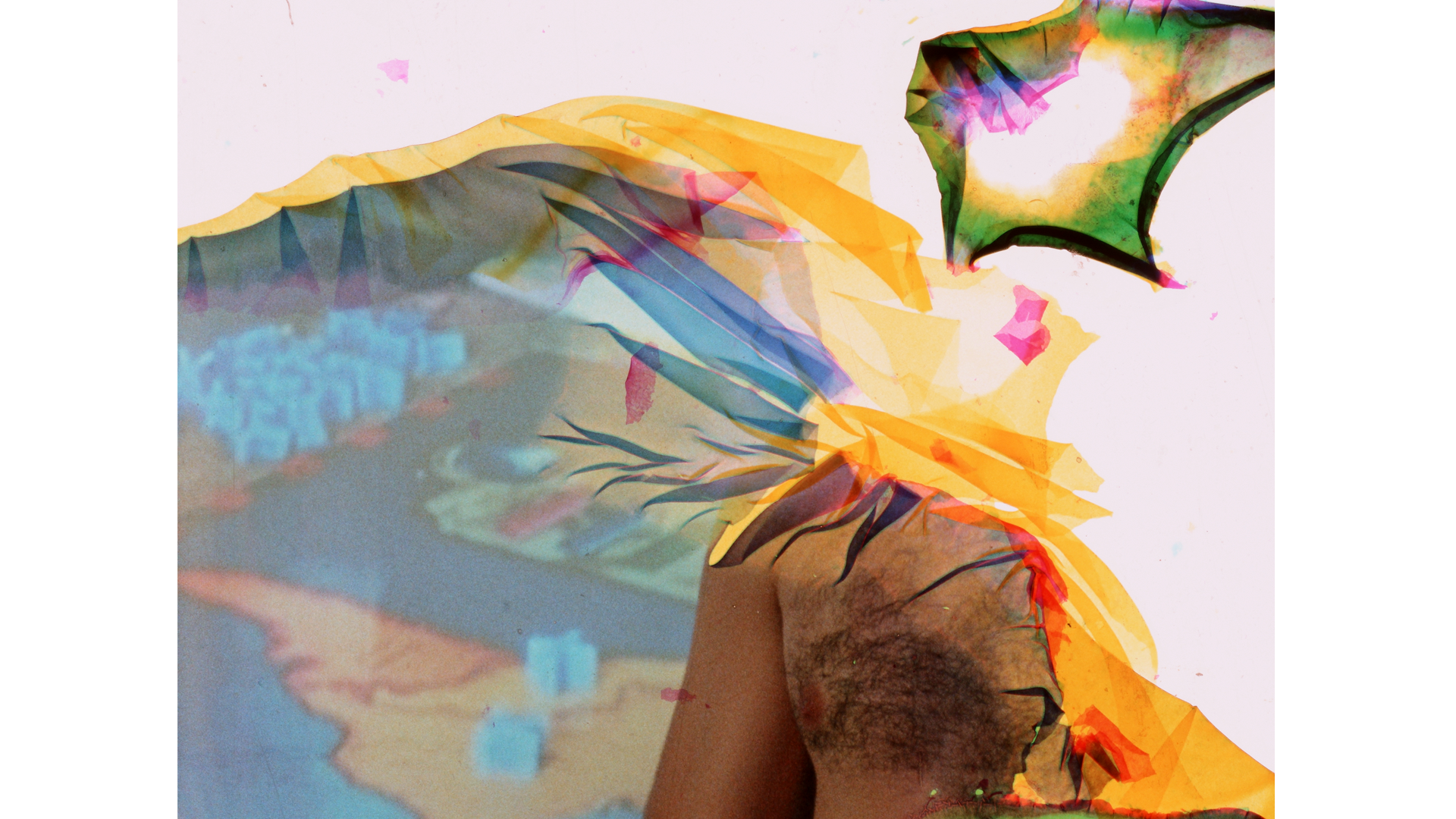
Parastoo Anoushahpour, Faraz Anoushahpour, and Ryan Ferko, with Aruna D’Souza
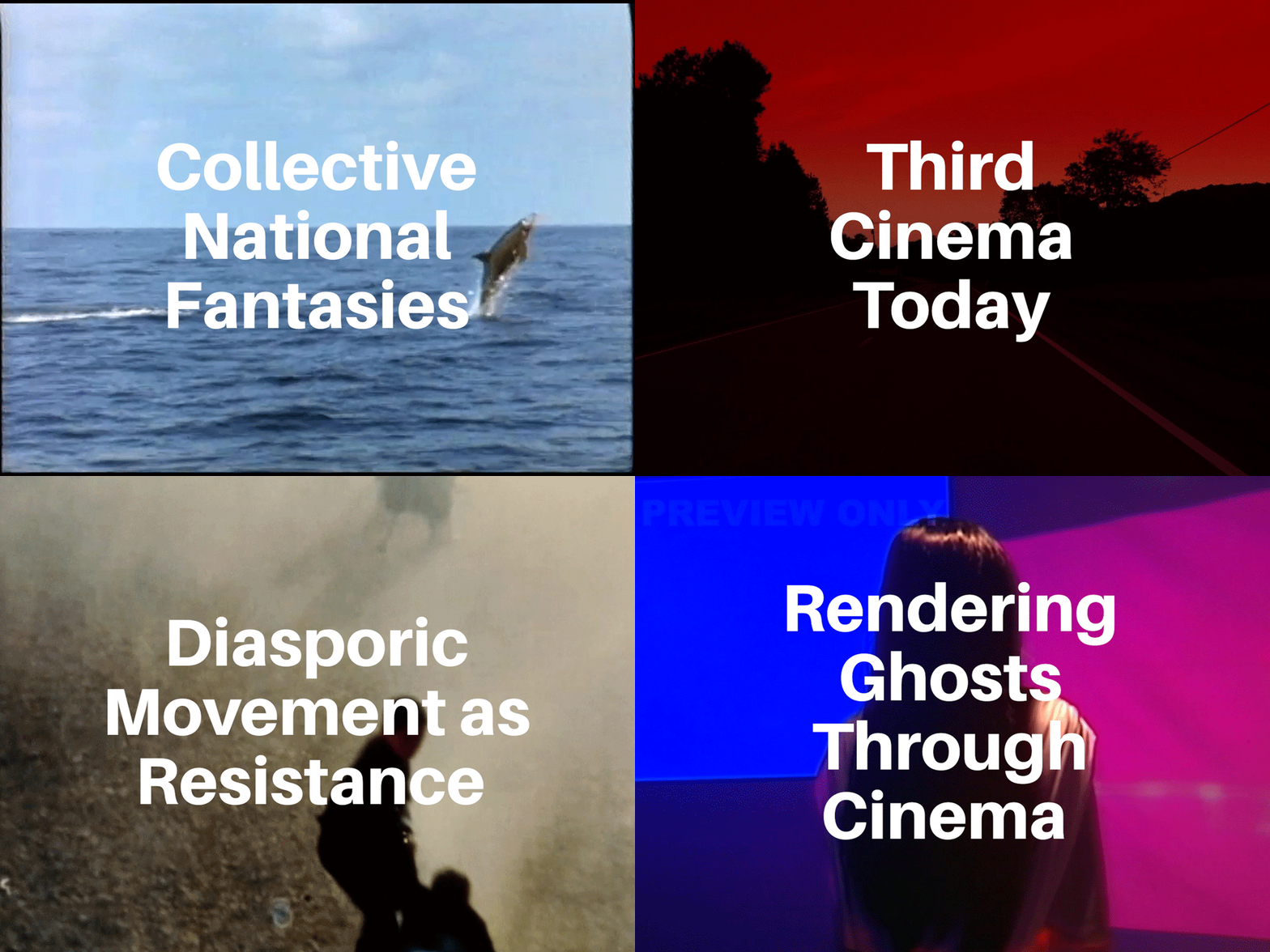
Filmmakers Parastoo Anoushahpour, Faraz Anoushahpour, and Ryan Ferko, and critic Aruna D’Souza consider diaspora as a political possibility and productive model for unraveling and reconstituting the world. In the face of ongoing displacement and unprecedented scale of forced migration, they explore the aesthetic and narrative possibilities of movement and “unplacement” as an untethering from the political formations of the nation-state. Is it possible, materially and imaginatively, to harness such diasporic movement as a form of resistance?
Parastoo Anoushahpour, Faraz Anoushahpour, and Ryan Ferko have worked in collaboration since 2013. Their shared practice explores the interplay of multiple subjectivities as a strategy to address the power inherent in narrative structures. Foregrounding the idea of place as a central focus, their work seeks to both decode their surroundings and trouble the production of images through speculative narration and dialectical imagery. Shifting between both gallery and cinema contexts, recent projects have been presented at Mercer Union (Toronto), MoMA, e_flux, The Flaherty Seminar, Berlinale, Punto De Vista International Documentary Festival, Viennale, Media City Film Festival, New York Film Festival, Toronto International Film Festival, and elsewhere internationally.
Aruna D’Souza is a writer and critic based in New York. Her work focuses on artists of the global majority and on art whose intersecting aesthetic and political possibilities allow us to imagine new, more just, more kind forms of life. Her new book, Imperfect Solidarities, was published in July 2024 by Floating Opera Press. Her work appears regularly in 4Columns.org, where she is a member of the editorial advisory board, and she is a regular contributor to the New York Times. Her book, Whitewalling: Art, Race, and Protest in 3 Acts (Badlands Unlimited), was named one of the best art books of 2018 by the New York Times. Recent editorial project include Linda Nochlin’s Making It Modern: Essays on the Art of the Now (Thames & Hudson, 2022) and Lorraine O’Grady’s Writing in Space 1973–2018 (Duke University Press, 2020); she co-curated the retrospective of O’Grady’s work, Both/And, which opened in March 2021 at the Brooklyn Museum.
FRIDAY Nov 14
3:15 PM Screening — Theater : EMPAC
7:00 PM Conversation — Studio 2 : EMPAC

Travis Wilkerson with Victor Guimarães
Nearly sixty years after Fernando Solanas and Octavio Getino issued the call for a Third Cinema—a militant, revolutionary, anti-imperial, and internationalist intervention—critic Victor Guimarães and filmmaker Travis Wilkerson take up its unfinished, unfulfilled project to ask where its emerging forms might still be glimpsed. Their collaborative research takes them to Cuba, Mexico, Croatia, the Philippines, Cameroon and beyond, to seek out the legacies and active practitioners of a Third Cinema redefined by the technologies, means of production, and modes of distribution scaled to meet the urgent and ongoing political struggles of today.
A chance meeting in Havana with the legendary Cuban filmmaker Santiago Alvarez changed the course of Travis Wilkerson‘s life. His internationally recognized body of filmmaking crosses boundaries with documentary and fiction, performance, and activism. At the epicenter of his work is the ongoing search for meeting points of aesthetic eloquence and political engagement, produced with an absolute modesty of material resources, as self-sufficiently as possible. In 2015, Sight & Sound called Wilkerson “the political conscience of American cinema.” His films have screened at hundreds of venues and festivals worldwide, including Berlin, Sundance, Toronto, and Locarno. The New Yorker called, Did You Wonder Who Fired the Gun? one of the “Sixty-Two Films that Shaped the Art of Documentary Filmmaking.” An Injury to One was named one of the best avant-garde films of the decade by Film Comment and a “political-cinema landmark” by the Los Angeles Times.
Film critic, programmer, and professor, Victor Guimarães’s work has appeared in publications such as Cinética, Con Los Ojos Abiertos, Senses of Cinema, Desistfilm, Outskirts, La Vida Útil, La Furia Umana, Field Notes, Documentary Magazine, and Cahiers du Cinéma, as well as several books and festival catalogues (Jeonju, Mar del Plata, and 3 Continents, among others). He holds a PhD in Communications from UFMG, with a research stage at Université Sorbonne-Nouvelle (Paris 3), and completed a dissertation on Brazilian filmmaker Aloysio Raulino’s experimental documentaries, in relation to films from other Latin American countries in the 1960s and 1970s. He is currently a programmer at FICValdivia (Chile) and the artistic director of FENDA – Experimental Festival of Film Arts (Brazil). He has curated programs for spaces such as XCèntric (Barcelona), Essay Film Festival (London), Woche der Kritik (Berlin), Cinemateca de Bogotá, Frontera Sur (Concepción, Chile), 3 Continents (Nantes, France), among others.
SATURDAY Nov 15
1:00 PM Screening — Theater : EMPAC
2:45 PM Dialogue — Studio 2 : EMPAC
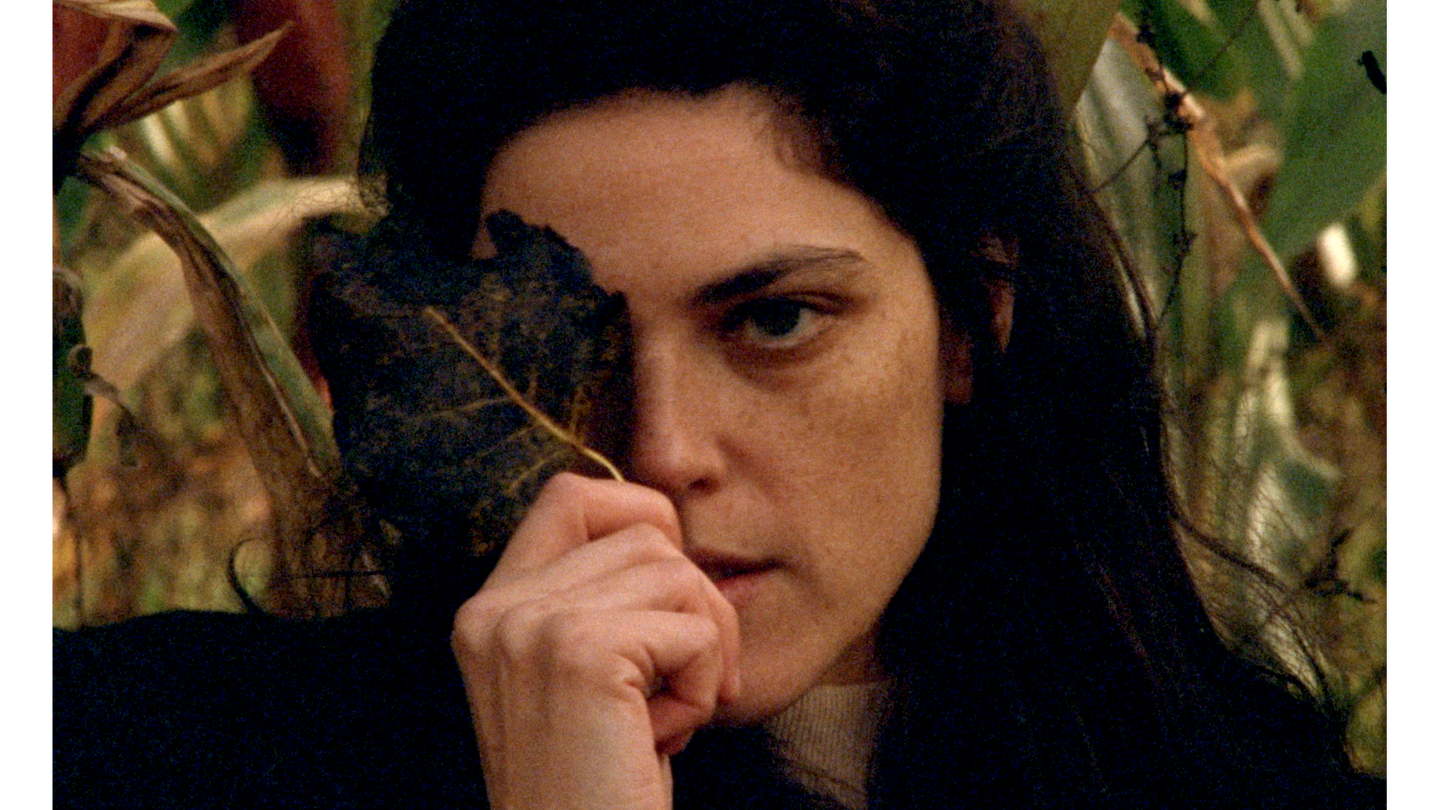
Courtney Stephens with Julia Gunnison
In their collective reflection, filmmaker Courtney Stephens and film critic Julia Gunnison ask the question: How can nonfiction media contend with fantastical elements of the real? Rooted in Stephens’s ongoing exploration of geographic longing, private meaning, nationhood, and collage and hybrid forms, their research peers through the scrim of the failed dream of American progress and its attendant destabilization and media-produced fantasies, in search of a way forward. Considering long-standing insecurities, and assumptions, about documentary’s evidentiary status, they explore how the form interrogates, subverts, or succumbs to collective fantasies, and how alternative modes of documentary can confront beguiling mediations to engage with the instability of the now.
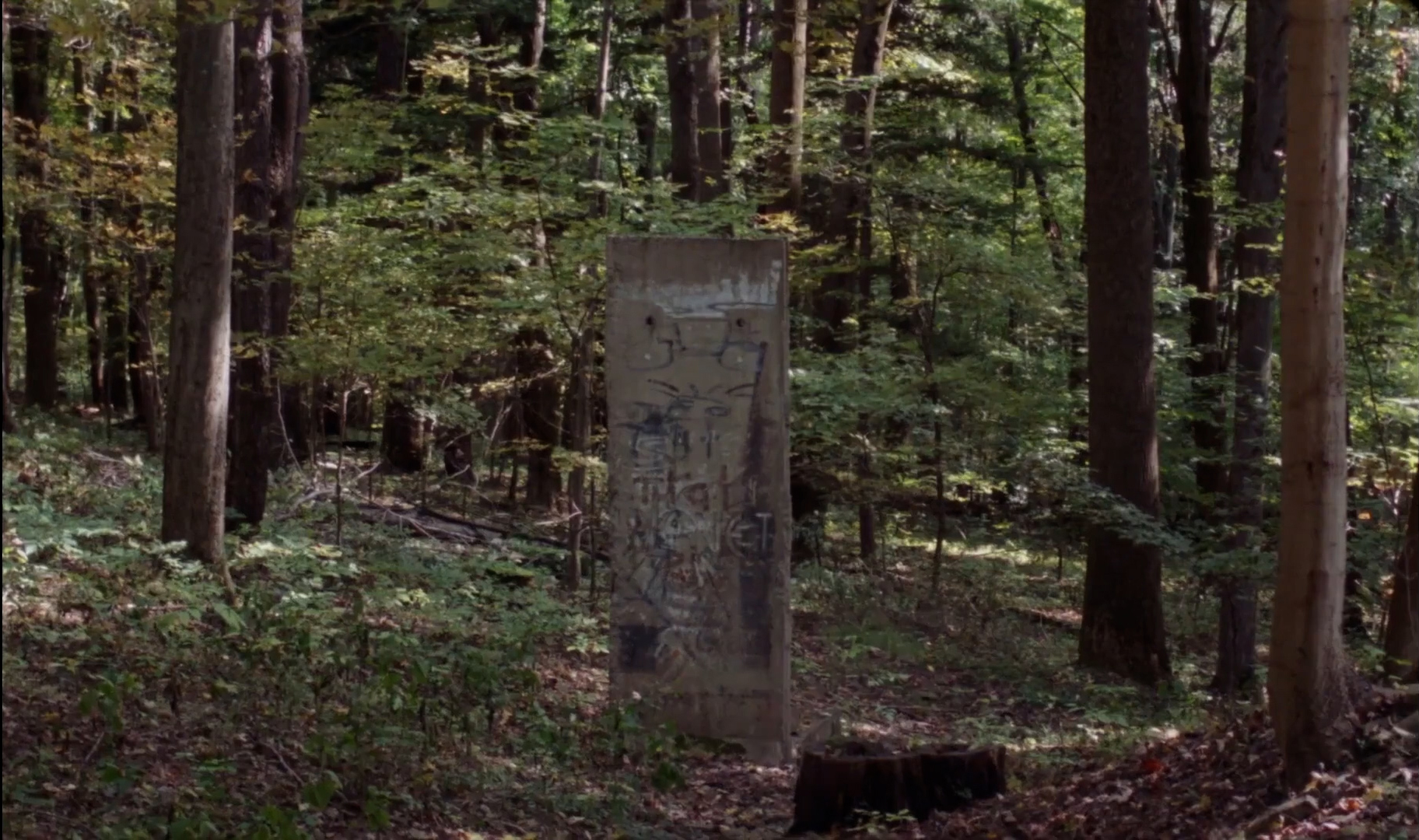
Courtney Stephens is a writer/director. Her work has explored historical geographies, the public unconscious, and the texture of women’s lives. The American Sector, her documentary (co-directed with Pacho Velez) about fragments of the Berlin Wall transplanted to the US, was named one of the best films of 2021 in The New Yorker. Her essay film, Terra Femme, comprised of amateur travel footage shot by women in the early-twentiethcentury, premiered at The Museum of Modern Art, and has toured internationally. Invention, a work of experimental fiction, recently premiered at the Locarno Film Festival. Her films have been exhibited at The National Gallery of Art, The Barbican, The Royal Geographical Society, Walker Art Center, the Thailand Biennale, and in film festivals including the Berlinale, Viennale, IDFA, Hong Kong, SXSW, and the New York Film Festival. She is the recipient of a Guggenheim Fellowship, a Fulbright Scholarship, and fellowships from MacDowell, Yaddo, and the Wexner Center.
Julia Gunnison is a writer, editor, and arts administrator based in Brooklyn, New York. Her essays, reviews, and interviews have appeared in Los Angeles Review of Books, Reverse Shot, Screen Slate, and Bright Wall/Dark Room, and her interests include nonfiction film forms and cinematic interpretations of urban space. She is an alumna of the 2024 Film at Lincoln Center Critics Academy, and the 2023–24 Reverse Shot Emerging Critics Workshop. She is the co-founder and editor of Syllabus, a weekly publication for nontraditional syllabi. Julia is currently the Artist Initiatives Manager at Creative Capital, and was previously Coordinator for the Sundance Documentary Fund. She serves as a grant application reviewer for the Sundance Institute, the International Documentary Association, and the Catapult Film Fund.
SATURDAY Nov 15
4:30 PM Work-in-progress Screening & Conversation — Studio 2 : EMPAC
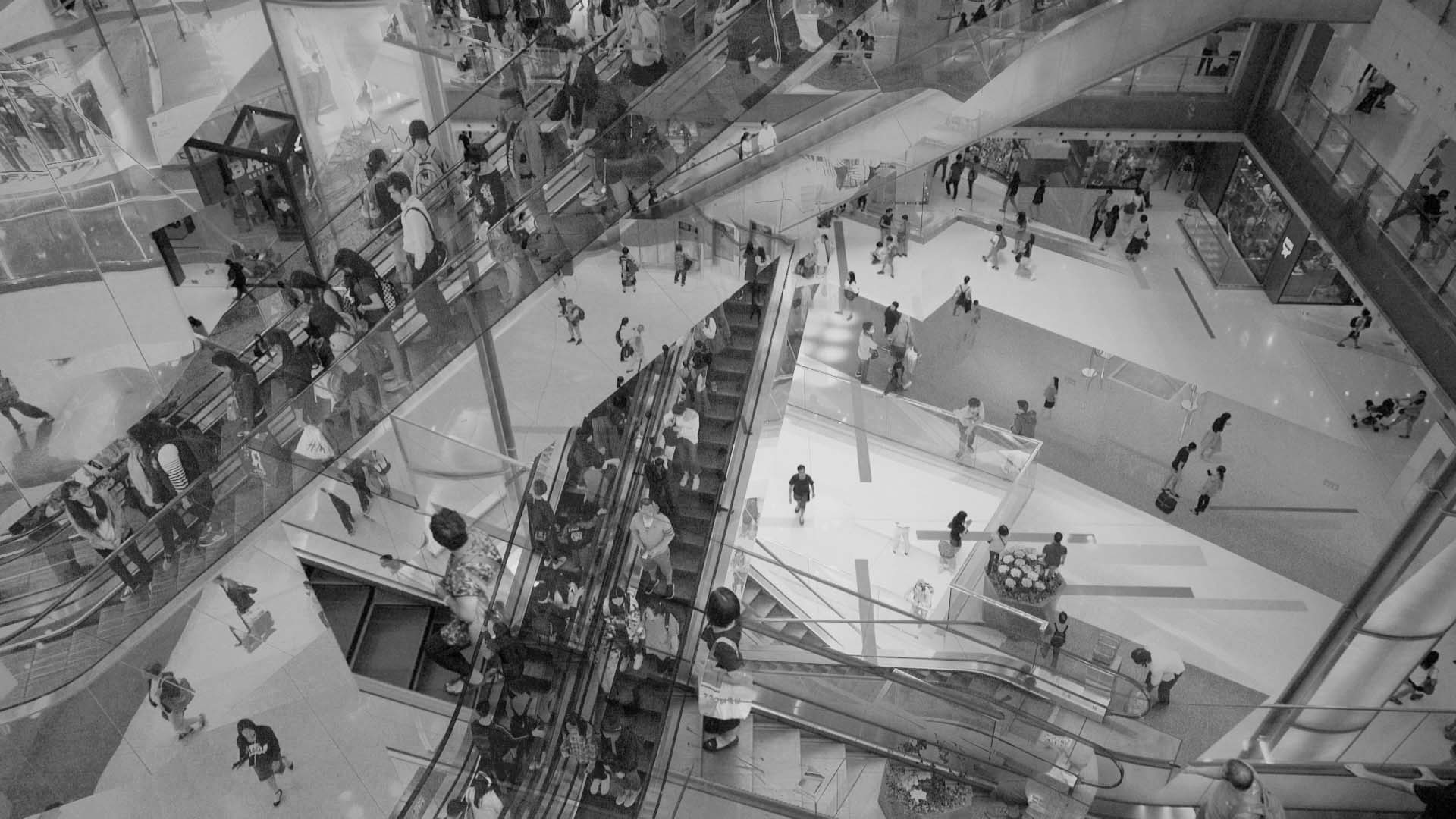
Bo Wang with Rachael Rakes
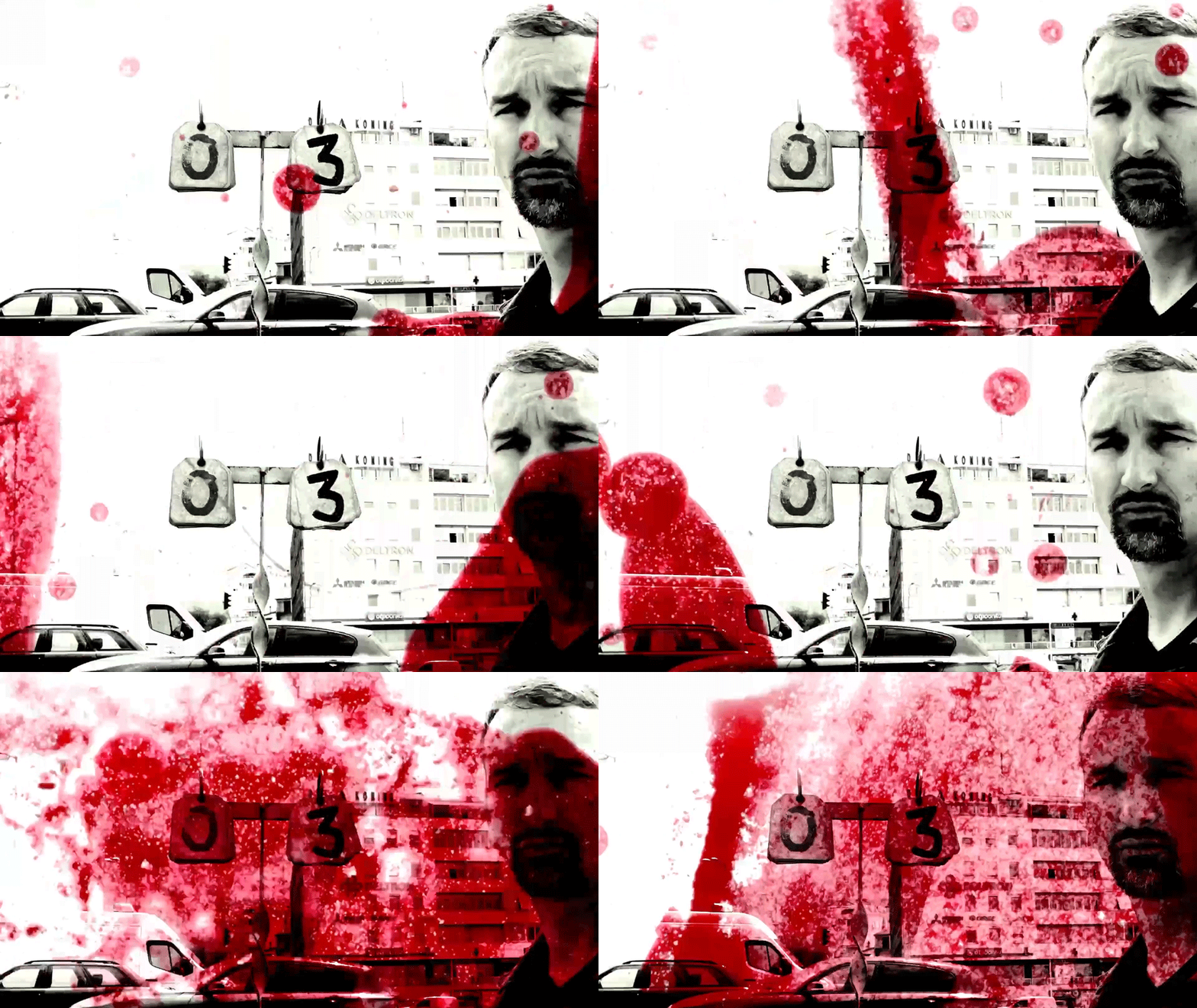
Filmmaker Bo Wang and critic Rachael Rakes investigate spectrality as a material entity shaped in the present by memory, trauma, displacement, and extractions. Together, they seek to build from theory, history, and moving image’s foundational relation to hauntedness, they propose how today’s speculative documentary practice might have a unique capacity to render ghosts. More broadly, their investigation attends to land as time and space, material as animated, and ancestral relations as multiple spectral forms. From the phantasmatic figure populating Hong Kong’s hyper-capitalist and ephemeral urbanscapes in Wang’s work, to the persistent specter of Cold War-era policies, the ghost, in its temporal and spatial purgatories—reveals frameworks in the present that will haunt humanity until they are resolved.
Bo Wang is an artist, filmmaker, and researcher based in Amsterdam. His works have been exhibited internationally, including at the MoMA, Guggenheim Museum, Garage Museum, CPH:DOX, IFFR, Visions du Réel, LUX, Open City Documentary Festival, Courtisane, Seoul Mediacity Biennale, Sonic Acts, Eye Filmmuseum, Sesc_Videobrasil, Sharjah Film Platform, among others. He is a recipient of major international awards, including New:Vision at CPH:DOX, Golden Dove at DOKLeipzig, O.F.F. Prize at Sesc_Videobrasil, Best Doc Short at Sharjah Film Platform, etc. He received a fellowship from the Robert Flaherty Film Seminar in 2013, and was an artist-in-residence at the ACC-Rijksakademie from 2017 to 2018, as well as at NTU Centre for Contemporary Art Singapore in 2016. He is currently a PhD candidate at ASCA, University of Amsterdam.
Rachael Rakes is a writer, curator, educator, and researcher. She was recently the Artistic Director of the 12th Seoul Mediacity Biennale, 2023. Currently Rakes is a Committee Member of the New York Film Festival, an Editor at Large for Verso Books, and a Contributing Editor for INFRASONICA.With Laura Huertas Millán and Onyeka Igwe, she organizes the artistic research initiative on co-subjective encounters, Counter-Encounters. From 2019–2022 she was the Curator for Public Practice at BAK basis voor actuele kunst, Utrecht. Until 2019, she was the Head Curator and Manager of the Curatorial Programme at De Appel in Amsterdam. Rakes teaches in the Artificial Times Masters department at Sandberg, on Curating the moving image at Leiden University, and taught recently for the Parsons School of Art, Zine Eskola, HKU, KASK, Eugene Lang College, and Harvard University. Rakes is editor of the publications This, Too, Is a Map (2023, Sema/[NAME]), Toward the Not-Yet (2021, BAK/MIT Press), and Practice Space (2019, [NAME]/De Appel) and frequently publishes as a critic and essayist.
Bo Wang and Rachael Rakes will not be in attendance to share their work. Online sessions will be made available to all participants, including a program of films and their debut research talk from Doclisboa 2024.
How it Works
Can I join for part of the weekend?
Yes! You can grab a Day Pass if you can’t attend for the whole two days. And grab a Weekend Pass if you plan to join for the entire weekend. Students and Annual UNDO Members can join for free!
Will there be time to connect informally?
Definitely. Community gatherings run throughout the weekend — chances to share a meal, talk, or just hang out outside the screenings and discussions.
How will I engage with the Fellows’ work?
We’ll be watching, reading and listening! All participants will have access to drafts and works-in-progress from the Fellows — a rare chance to step inside the creative process of leading artists and scholars and hear from them directly. We value process over product, opening space for experiment and curiosity.
Traveling to Troy
How do I get there?
EMPAC is located in Troy, just two and a half hours north of New York City via a beautiful train ride up the Hudson River, an easy day trip from the Berkshires or Saratoga Springs, and across the river and just north of Albany, NY. It’s also just under three hours by car from Boston or Montreal.
Where should I stay?
There are many affordable options nearby in Troy, Albany and Clifton Park, as well as on AirBnB. Other upstate towns are also a great place to check out and not too far of a ride. Hudson and Catskill are both under an hour from Troy and it’s a beautiful ride.
We are working to provide some preferred rates at nearby hotels. Fill the info form to be alerted to options in the coming weeks.
What is the pace of the weekend?
We’re excited to be offering a pretty packed two days of dynamic screenings and conversation with the provocations of the UNDO Fellows guiding our path. Though we will have some time to engage the reading on your own and moments for lowkey socializing too.
Accessibility
UnionDocs is committed to hosting accessible and inclusive events. EMPAC is an accessible and inclusive venue. Please note the following to help make your experience as seamless as possible.
The lobby is accessible via the double doors facing campus with an entrance off of College Ave. All-gender and wheelchair-accessible restrooms are available on each public-access level. All four venues are accessible and can be accessed via lobby elevators. Please see the box office for assistance.
If you have any questions about access, please contact EMPAC Box Office Manager John Cook or call 518-276-2822 (voice only).
Sponsor & Partners