

Special Effects in nonfiction have always been a way of thinking—not just a way of finishing. But in 2026, when AI can generate any effect on demand and the spectacular becomes benign, the question changes: what does it mean to slow down and work with effects that reveal the hand, the labor, and the ethics of representation itself? Led by artist and educator Carl Elsaesser, this three-day workshop explores effects not simply as spectacle, polish or illusion, but as documentary method shaping how reality is perceived and disguised.
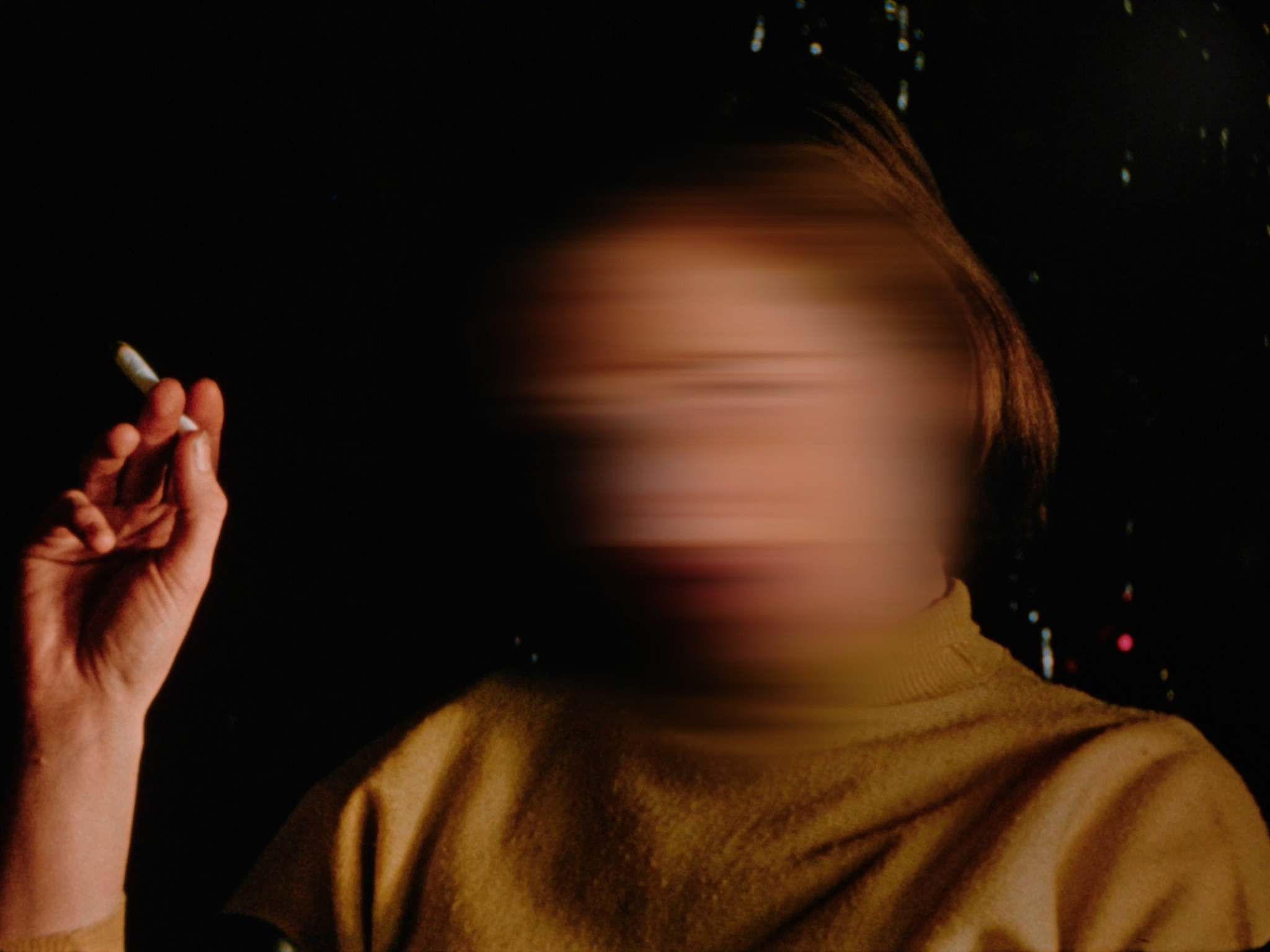
Across three days, we’ll be studying and experimenting with both in-camera and post-produced interventions—rear projection, masking, blur/redaction, matte/compositing, reenactment, and “visible seams”—as nonfiction methods for exploring memory, portraiture, protection and political critique. The goal is not to resolve whether an image is “real,” but to understand what reality effects can make possible—and what it costs. Through screenings, discussion, demonstration and hands-on exercises, Carl, accompanied by a diverse lineup of wonderful guests, will guide participants through an examination of how these techniques have been used historically, their evolving use and how these effects continue to function politically and aesthetically today.
Rather than treating effects as in opposition to documentary truth, the workshop approaches them as tools to confront thorny relationships between visibility and concealment, evidence and speculation, memory and reconstruction. Across the weekend we’ll be probing questions like: what does a manipulated image allow a viewer to confront? What kind of history and experience becomes imaginable through compositing or reenactment? What does the line between the real and the manufactured image say about our relationship to the truth? What are the ethical, aesthetic and political stakes of image mediation?
Carl will lead participants through the practical, conceptual and experiential impacts of effects used in a non-fiction context. Guest speakers include James N. Kienitz Wilkins, who will explore the use of digital effect in his practice, as it interacts with unreality and the uncanny; Sharon Lockhart, who will discuss the production of perspective, and the affective impacts of durational and in-camera effects in her filmmaking; and Courtney Stephens, who will elaborate on the history and the erotics of the special effect in her cinema. Drawing from experimental nonfiction, essay film, political cinema, magic & illusionism, and hybrid documentary practices, participants will leave with a deeper understanding of effects as nonfiction strategies.
Special thanks to partner Rockaway Film Festival! Look out for a partner screening with the fest later this year.