
“Only the imagination can get us out of the bind of the eternal present, inventing or hypothesizing or pretending or discovering a way that reason can then follow into the infinity of options, a clue through the labyrinths of choice, a golden string, the story, leading us to the freedom that is properly human, the freedom open to those whose minds can accept unreality.”
— Ursula K. Le Guin
While “speculative” has become a buzzword in contemporary culture—and a term many artists use to describe their work—we’re inviting a deeper exploration: What exactly is meant when a documentary is deemed “speculative”?
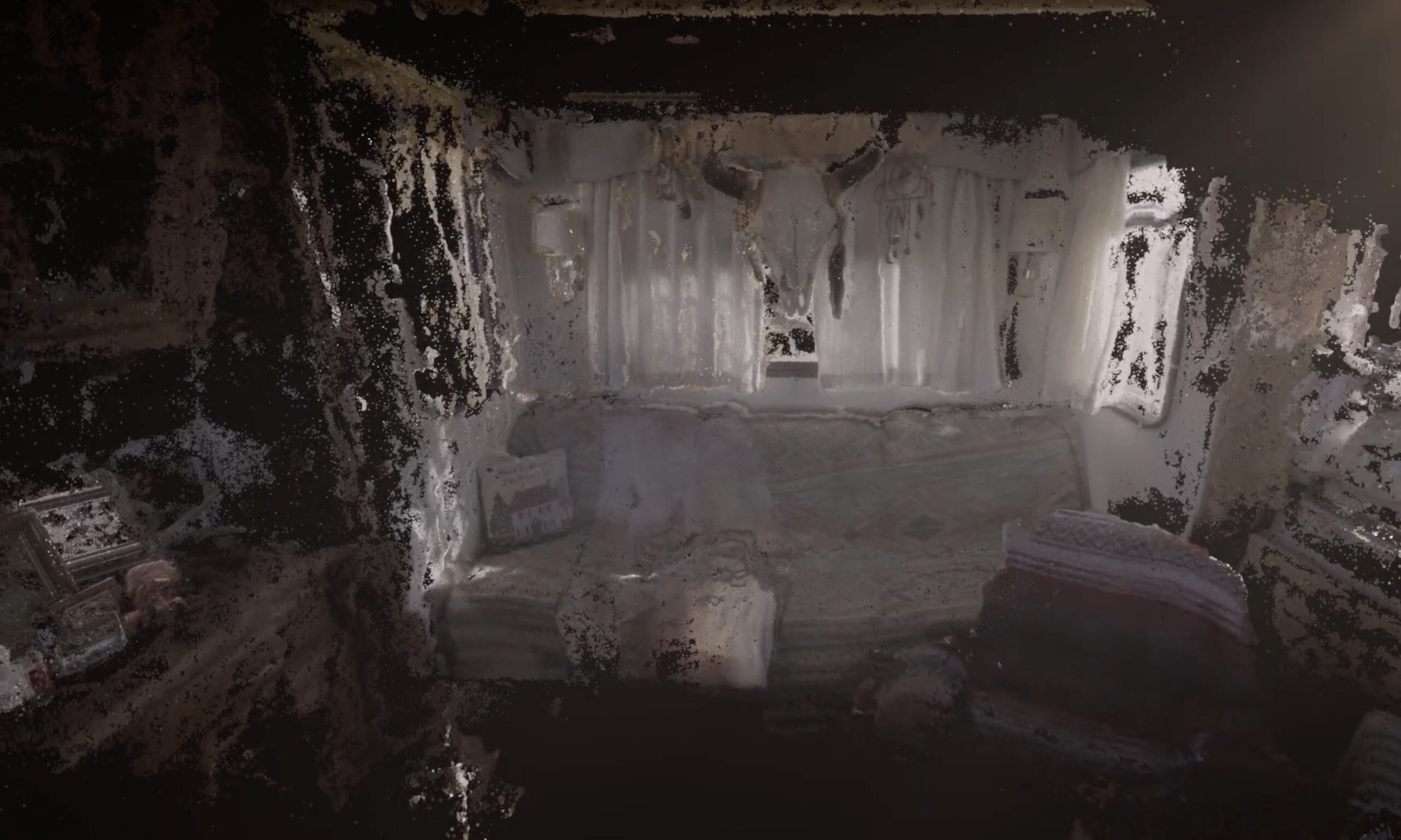
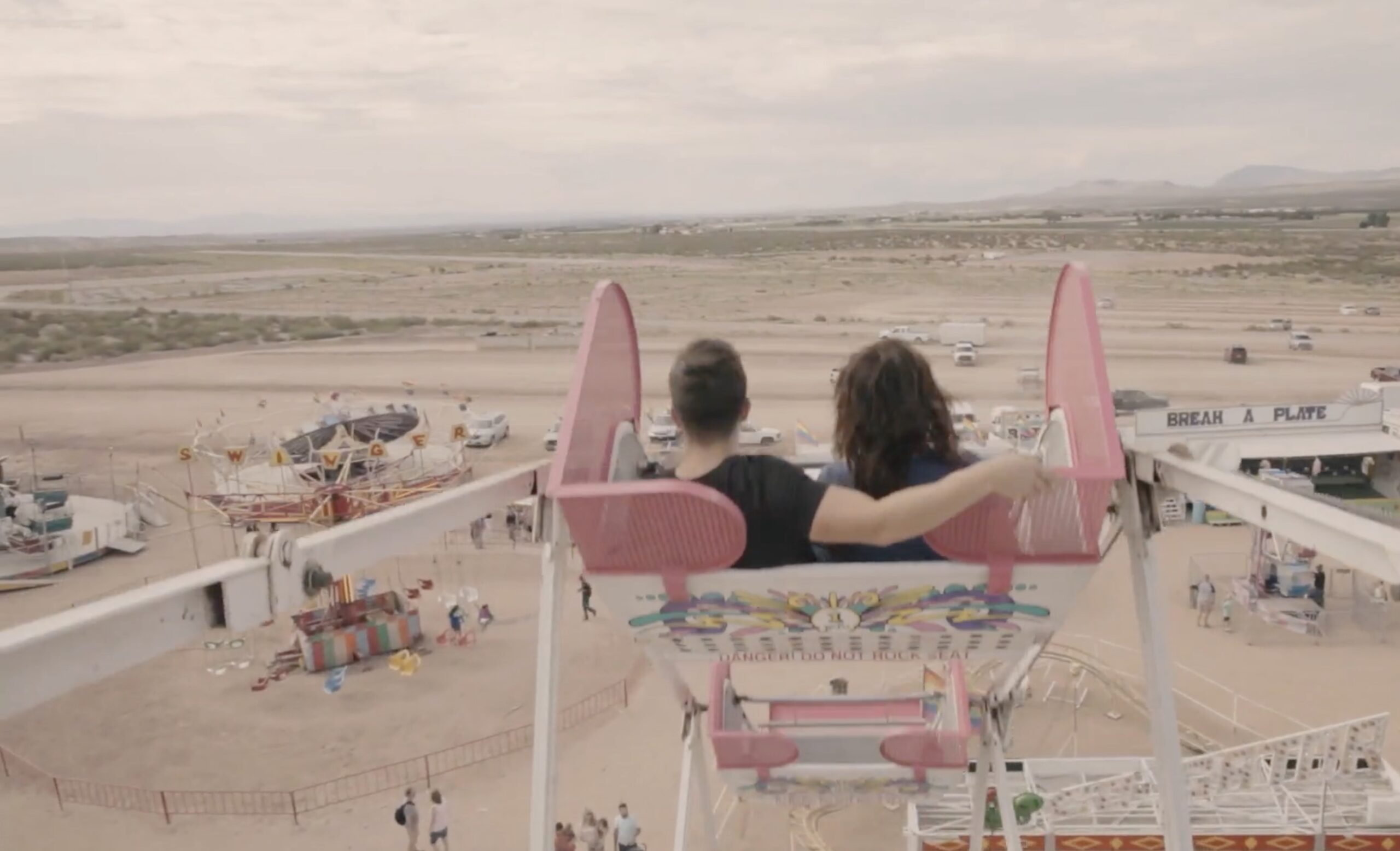
For our first Fall 2025 workshop, we’ve invited filmmaker Hannah Jayanti (Truth or Consequences, Topography) to guide a three-day search for clarity and complexity around this terminology.
In today’s landscape, “speculation” carries many meanings—from land-based investments and high-risk global trading, to contemporary modes of science fiction and critical fabulation, to eco-feminisms, indigenous futurities, queer histories, and Afrofuturisms. The word traces back to specere, Latin for “to look,” sharing roots with speculum (mirror) and specula (watchtower). These origins evoke reflection, surveillance, perception, and the liminal edge between the known and the unknown.
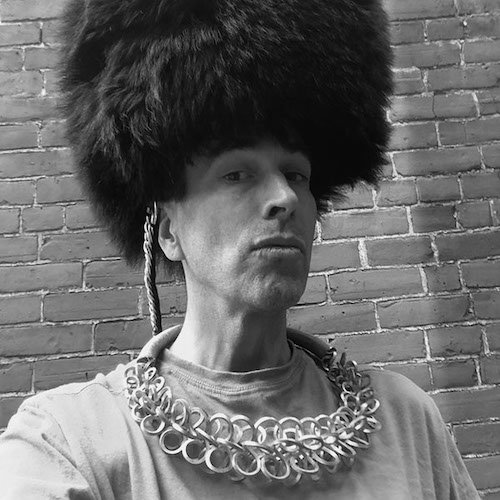
Over the course of the workshop, we’ll be joined by a stellar lineup of artists and thinkers to expand our frames of reference. Writer and filmmaker Toby Lee will join to discuss her pivotal essay The Radical Unreal: Fabulation and Fantasy in Speculative Documentary, where she argues for “the radical potential of the unreal—as experiential category, as representational strategy, and as a politics.” Renowned filmmaker and video artist John Greyson will beam in to share about his hybrid, playful, and deeply political body of work which employs experimental documentary approaches in service of queer activism and social justice. Jackson Polys, co-facilitator of New Red Order and a multidisciplinary artist will join to share his practice exploring Indigenous futurities and institutional critique.
Together, we’ll examine how these varied lineages and definitions apply to documentary’s seemingly privileged relationship to the real. We’ll spotlight formally expansive tendencies and ask how experimentation in documentary can function not just poetically, but politically—especially in our contemporary moment of democratic and ecological crisis, and in an increasingly risk averse documentary landscape.
Hannah brings a singular blend of ethical, formal, and political inquiry to her practice, and will lead us in considering: What does the speculative offer documentary makers? How can speculative approaches expand how documentary engages with time, history, and alternative futures? What kinds of methodologies, media, and technologies become possible when the real is pushed? How can we both interrogate new technologies and new media and consider their uses as new distributive forms?
Participants will be invited to share their own projects, receive feedback, and add their questions to the evolving conversation.