Doors 6:30p
Program 7:00p
Tickets $12

- This event has passed.
Jun 7, 2026 at 7:00 pm
To Commune Catalogue Launch & Screening:
A Flaherty on the Road Program
Celebrating launch of the To Commune digital catalogue
UnionDocs
352 Onderdonk Ave
Ridgewood, NY
The Flaherty and UnionDocs celebrate the launch of the To Commune digital catalogue with a screening of one of the seminar’s most beloved programs, followed by a reception. The 69th Flaherty Film Seminar took place in late June 2024 at the Thai Film Archive in Salaya, Thailand, and was programmed by May Adadol Ingawanij and Julian Ross, with UnionDocs hosting the seminar’s online experience. The To Commune digital catalogue will be available for free online starting June 7th on the Flaherty website and will feature a new piece by Bing, a poem by Zakariya Amataya, an interview with the Thai Film Archive and the Flaherty team conducted by Devika Girish, pieces by Nadia Yahlom, Cici Peng, Jean Ma, Anuj Malhotra, Jooyeon Lee, and Wiwat Lertwiwatwongsa, as well as the complete seminar program with film notes and artist biographies.
Join us for a special screening and celebration – The film program features a rare screening of Tongpan (1977), the Isan Film Collective’s landmark docu-drama about the struggles of Northeastern Thai villagers, alongside Chikako Yamashiro’s I Like Okinawa Sweet (2004).
Program
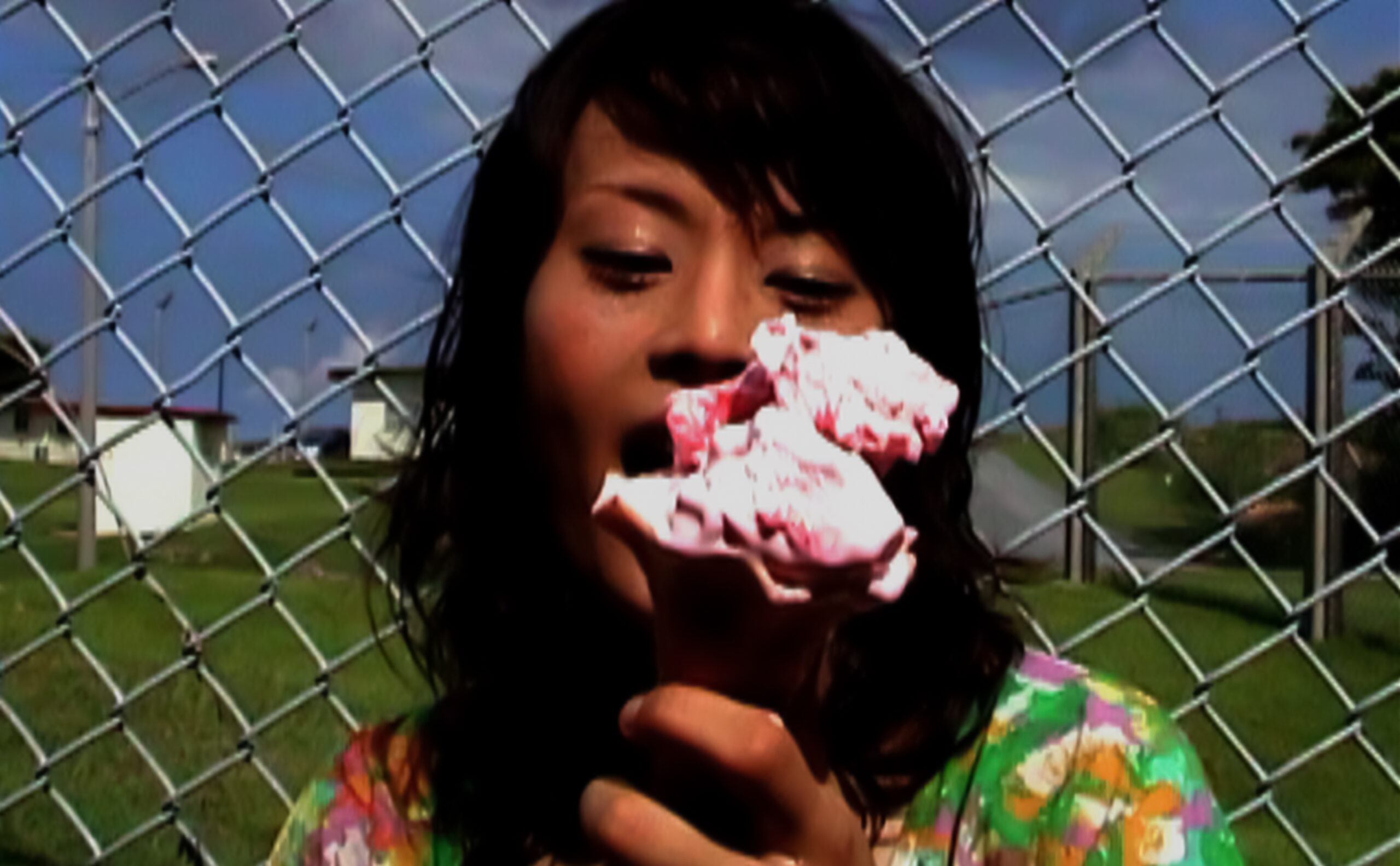
I Like Okinawa Sweet by Chikako Yamashiro
Okinawa/Japan, 2004, 7 min
Leaning over a fence surrounding a U.S. military base, a woman happily eats ice cream someone gave her. The ice cream symbolizes both a compensation policy for the accepted bases and an image of tourism unilaterally imposed. The filmmaker herself plays the role of the woman who plays the role of Okinawa itself, embodying through simulationism the present tense of local culture’s disappearance and rapid homogenization.
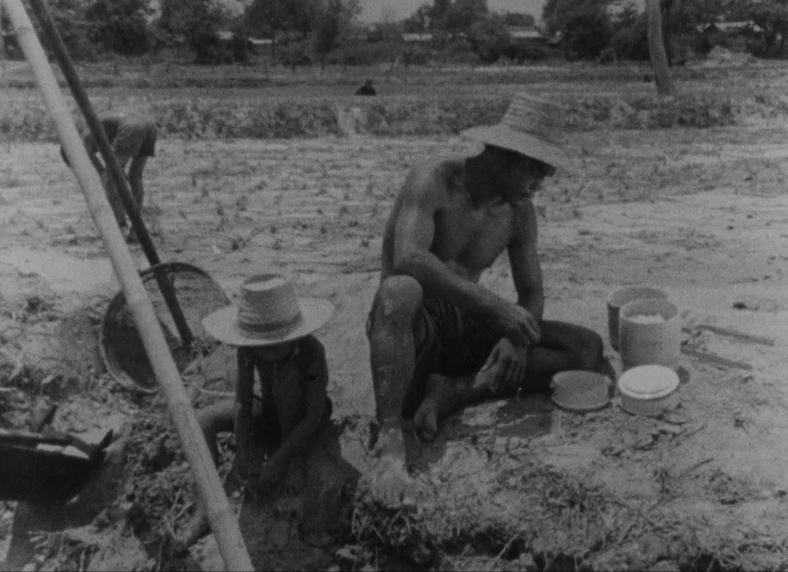
Tongpan (ทองปาน) by Isan Film Collective
Thailand, 1977, 60 min
A landmark film shot after the October 14, 1973 student uprising and finished after the October 6, 1976 massacre at Thammasat University, Tongpan is a social-realist docu-drama about the hardship of Northeastern villagers and the uncertainties that arise after a plan to build Pha Mong Dam. The narrative intercuts between gritty, documentary-like portrayal of rural existence and a seminar room in which academics and government representatives argue about the dam’s real benefits. Made by a group of activists and filmmakers, many of whom were persecuted in the anti-communist purge after October 1976, the film was edited in Hong Kong, Sweden, and finally finished in the U.S. It remains one of the most important socio-political films ever made in Thailand.

Watch the conversation between Presenter1, Presenter2 and Presenter 3 on the UnionDocs’ Membership hub.
Bios
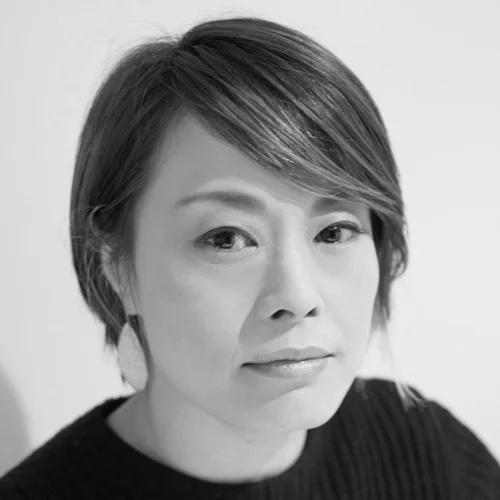
Chikako Yamashiro is a Japanese filmmaker and video artist. Her works in photography, video and performance create visual investigations into the history, politics and culture of her homeland Okinawa. Particularly salient are themes related to the terrible civilian casualties incurred in Okinawa, Japan during World War II and the on-going troubles and hardships caused by the U.S. military presence there. Since 2019 she is associate professor at the Tokyo University of the Arts.
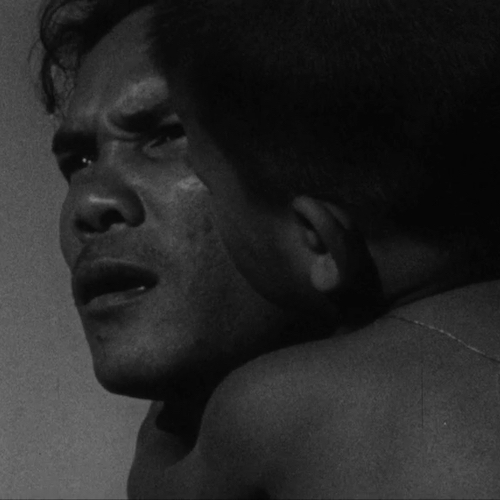
The Isan Film Group was a collective of student artist-activists formed around Paijong Laisakul, Surachai Jantimatorn and Euthana Mukdasanit from the leftist youth-counterculture movement at Thammasat University two years after the Siamese revolution. Together they produced the film Tongpan, for which the filmmakers were arrested during the 1973 crackdown. The film was later banned until 1978 for its socialist undertone, making it an easy target for accusations of communism. The film never received a theatrical release and instead entered into a network of makeshift itinerant guerrilla screenings, re-appropriating the spaces used by US sponsored screenings of propaganda films against communism. Within this historical background of both national as well as international power configurations, Tongpan is today re-visited as an important document of Thai film history, not only for its content but also its dissemination.
From the Event
Presented With